
The Importance of Social Interaction & Therapeutic Gardens for Dementia Patients
How outdoor greenery, sensory stimulation, and active community engagement improve mood, sleep patterns, and cognitive stability in seniors.

For seniors living with Alzheimer’s disease or age-related dementia, confinement indoors in a sterile room often worsens symptoms like restlessness, aggression, and nighttime insomnia (sundowning syndrome).
Modern non-pharmacological dementia therapies emphasize horticultural therapy and green sensory environments — leveraging natural sunlight and safe walking paths to regulate circadian rhythms and calm anxiety.
Clinical Research: Exposure to natural sunlight and therapeutic green spaces increases Vitamin D synthesis and serotonin production, reducing pharmacological anti-psychotic medication dependency by up to 25% in dementia patients.
Authority Reference: Verified against Alzheimer’s Association Non-Pharmacological Dementia Guidelines
How Therapeutic Gardens Benefit Dementia Patients
1. Safe, Barrier-Free Wandering
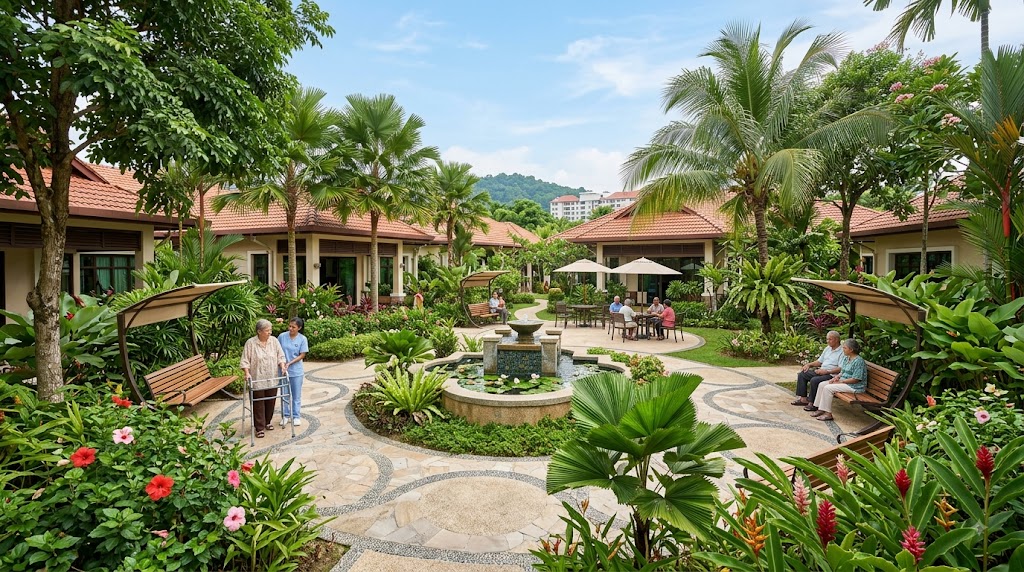
Dementia patients frequently experience an impulse to walk. At The Healer nursing home in Taiping, our landscaped gardens feature continuous, non-slip looping pathways without dead ends, eliminating frustration and wandering risks.
2. Sensory Memory Stimulation
Smelling fragrant flowers (jasmine, pandan), touching plant foliage, and listening to natural birdsong stimulate sensory memory pathways that remain intact even in advanced dementia stages.
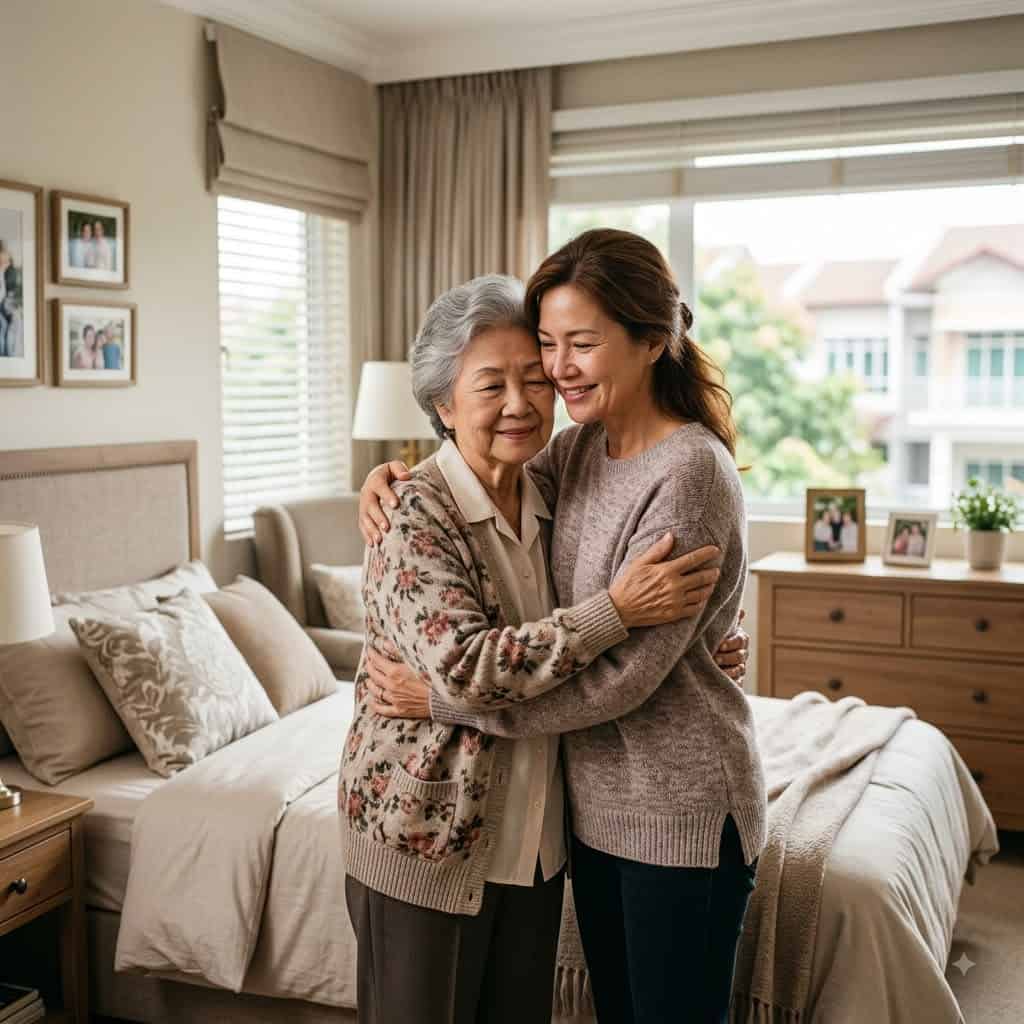
 Private rooms designed with large windows connecting residents directly to natural outdoor landscapes.
3. Preventing Sundowning with Morning Sunlight
Natural morning sunlight exposure resets the internal body clock, promoting healthy night sleep and curbing late-afternoon agitation (sundowning).
Looking for Compassionate Dementia Care?
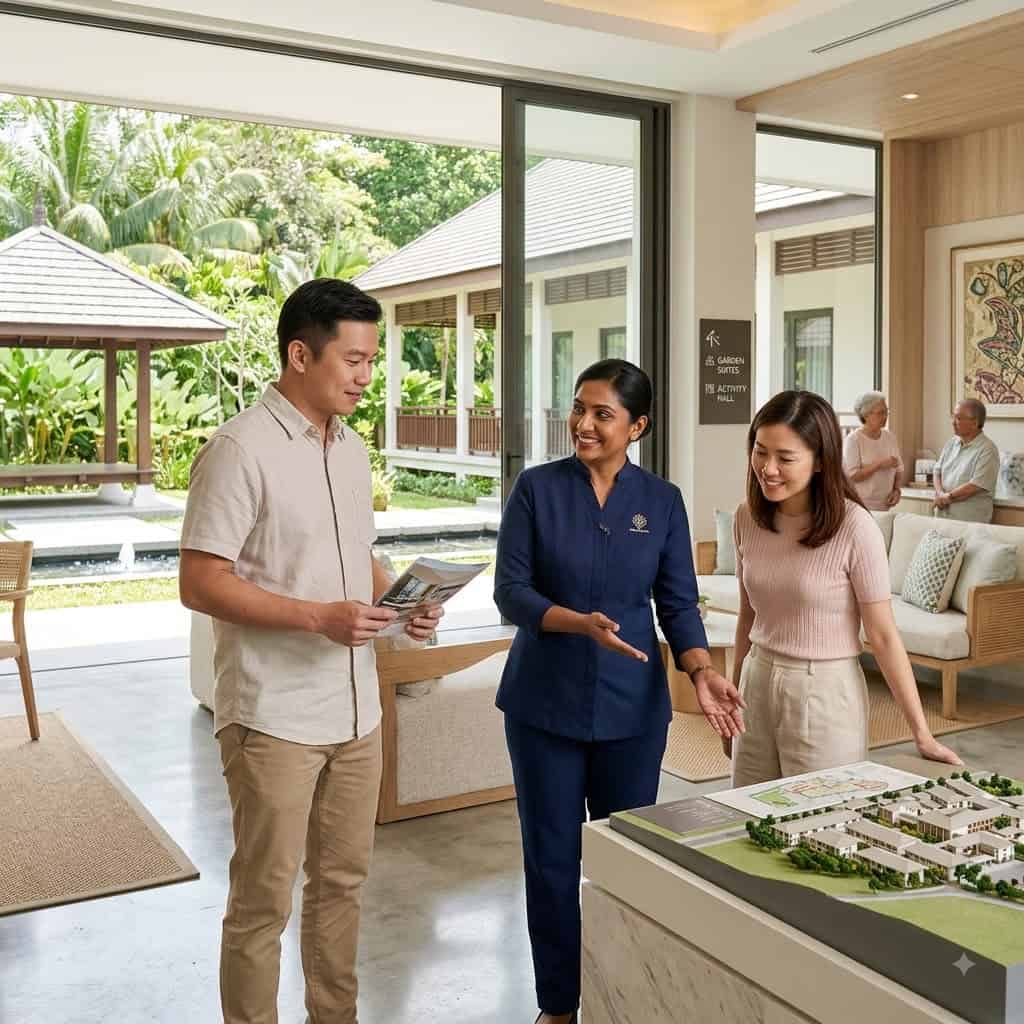
Schedule a visit to experience our serene bungalow gardens and specialized dementia activities in Taiping.
The Power of Daily Social Connection
Living alone isolates seniors. Structured group activities — like mild gardening, sing-alongs, tea sessions, and gentle chair exercises — build a warm sense of community and emotional security.
Adapting the Garden as Dementia Progresses
A therapeutic garden is not a fixed amenity. What helps in early dementia can distress someone in the later stages, so the way the space is used has to change:
- Early stage — independent walking, gardening tasks and social seating. Purposeful activity preserves identity.
- Middle stage — shorter looped paths with landmarks, supervised access, and stronger sensory cues such as scented herbs to support orientation.
- Later stage — seated time in dappled shade, tactile contact with plants, and exposure to natural light for circadian rhythm rather than mobility.
The constant across all three is daylight exposure, which regulates the sleep–wake cycle and measurably reduces evening agitation. What changes is how much independence the space can safely permit — a judgement that needs clinical staff who see the resident daily, not a quarterly review.
Frequently Asked Questions
Helpful answers to common questions about Dementia Care Therapeutic Gardens.
A therapeutic garden is a purpose-designed, secure outdoor environment featuring non-toxic sensory plants, looping step-free pathways, tactile water features, and shaded seating that stimulate memories and calm agitation.
Natural sunlight stimulates serotonin production and regulates circadian sleep cycles, while familiar natural sounds (trickling water, rustling leaves) significantly reduce anxiety, aggression, and sundowning symptoms.
Continuous looping pathways allow dementia residents to wander safely without encountering frustrating dead-ends, locked gates, or confusing crossroads that trigger panic or disorientation.
Fragrant, tactile, and culturally familiar plants like Pandan, Lemongrass, Jasmine, Bunga Raya (Hibiscus), and Rosemary stimulate olfactory and tactile memory recall.
Gentle gardening activities like watering plants, potting soil, and smelling herbs enhance fine motor coordination, hand strength, and a rewarding sense of daily purpose.
Essential features include secure perimeter gating hidden by foliage, non-glare and non-slip paving, zero steps, continuous handrails, and ample shaded seating areas.
While not a cure, multisensory stimulation actively engages neural pathways, improves mood, reduces dependency on antipsychotic medications, and preserves functional engagement longer.
Yes. The peaceful garden setting provides a pleasant, dignified space for families to connect and share relaxed conversations with their parents away from clinical rooms.
Popular Related Insights
Explore key guides and healthcare insights for elderly care in Taiping.

Ready to Explore Elderly Care Options in Taiping?
Book a free virtual tour, schedule a doctor consultation, or speak directly to our medical team today.
💬 WhatsApp Us NowPart of the ServicePro.my Healthcare Hub Network. All rights reserved.
Common Questions About Dementia & Sensory Garden Care
Helpful answers from our healthcare team on this subject.