
Fall Prevention & Gait Training: How Targeted Physiotherapy Protects Elderly Mobility
How muscle strengthening, balance retraining, single-storey bungalow living, and environmental modifications prevent catastrophic hip fractures in seniors.
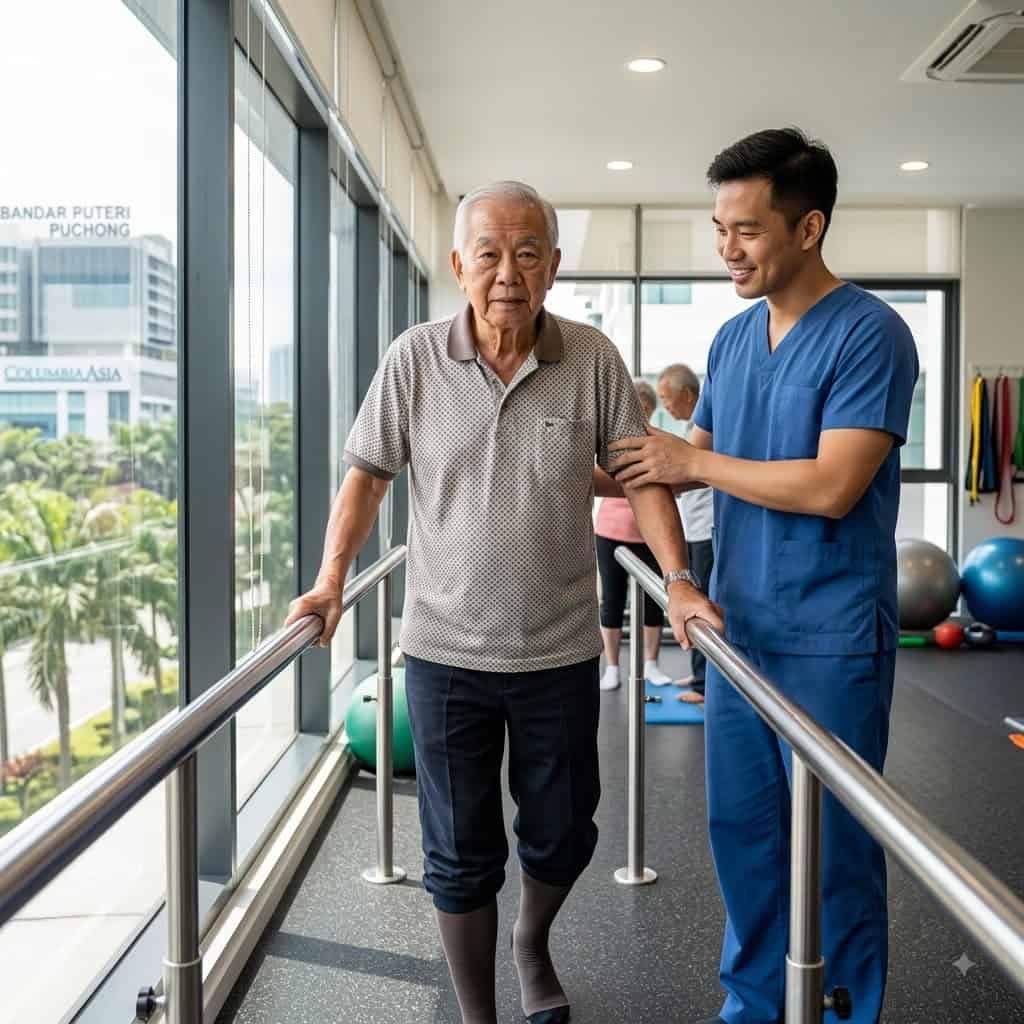
A single fall can alter an elderly person’s life in seconds. Hip fractures, traumatic brain injuries, and loss of confidence often lead to bedridden status and rapid health decline. In Malaysia, over 1 in 3 seniors over age 65 experience at least one fall each year.
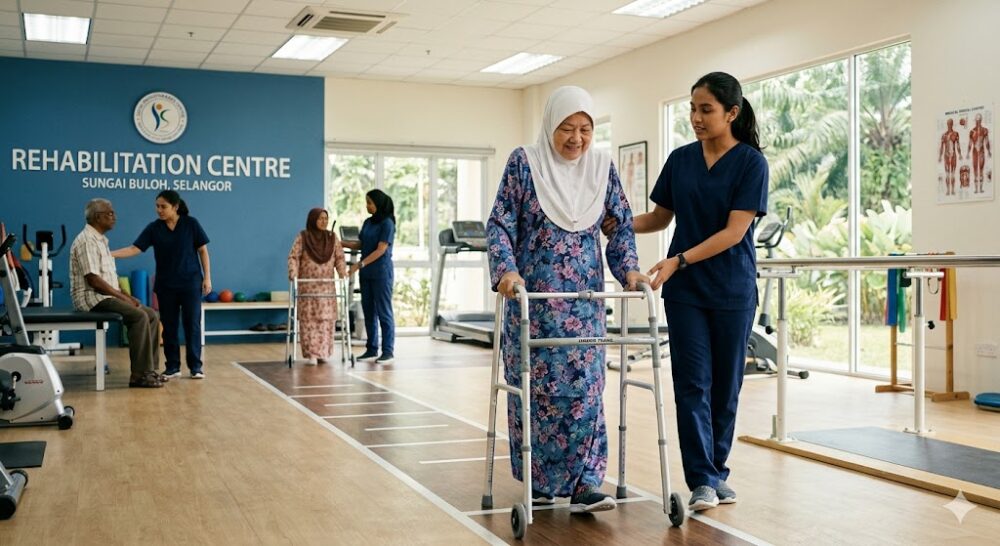
Through Service Pro Healthcare Network physiotherapy partners — our physiotherapy & rehab centre in Sungai Buloh for Klang Valley families, and The Healer in Taiping for Perak — targeted gait training and environmental modifications keep seniors strong and safe.
Geriatric Mobility Standard: Regular balance and quadriceps strengthening exercises reduce senior fall risks by 42%, significantly improving post-stroke and osteorithritis recovery outcomes.
Authority Reference: Verified against Malaysian Physiotherapy Association (MPA) Fall Prevention Clinical Guidelines
4 Core Components of Fall Prevention
1. Lower-Limb Strength & Quadriceps Retraining
Strengthening the quadriceps and ankle stabilizer muscles allows seniors to stand up safely from chairs and navigate slight inclines without losing balance.
2. Proprioception & Balance Drills
Using parallel bars, balance pads, and guided stepping exercises to retrain nerve pathways and spatial awareness.
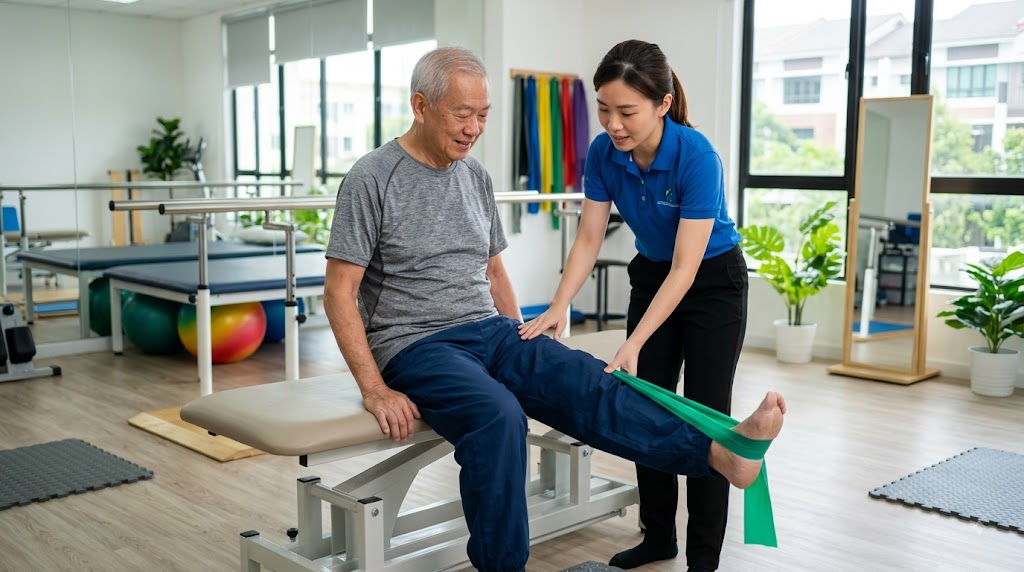 TCM acupuncture combined with physical therapy relieves joint pain and stiffness before gait training sessions.
3. Single-Storey & Anti-Slip Architectural Layout
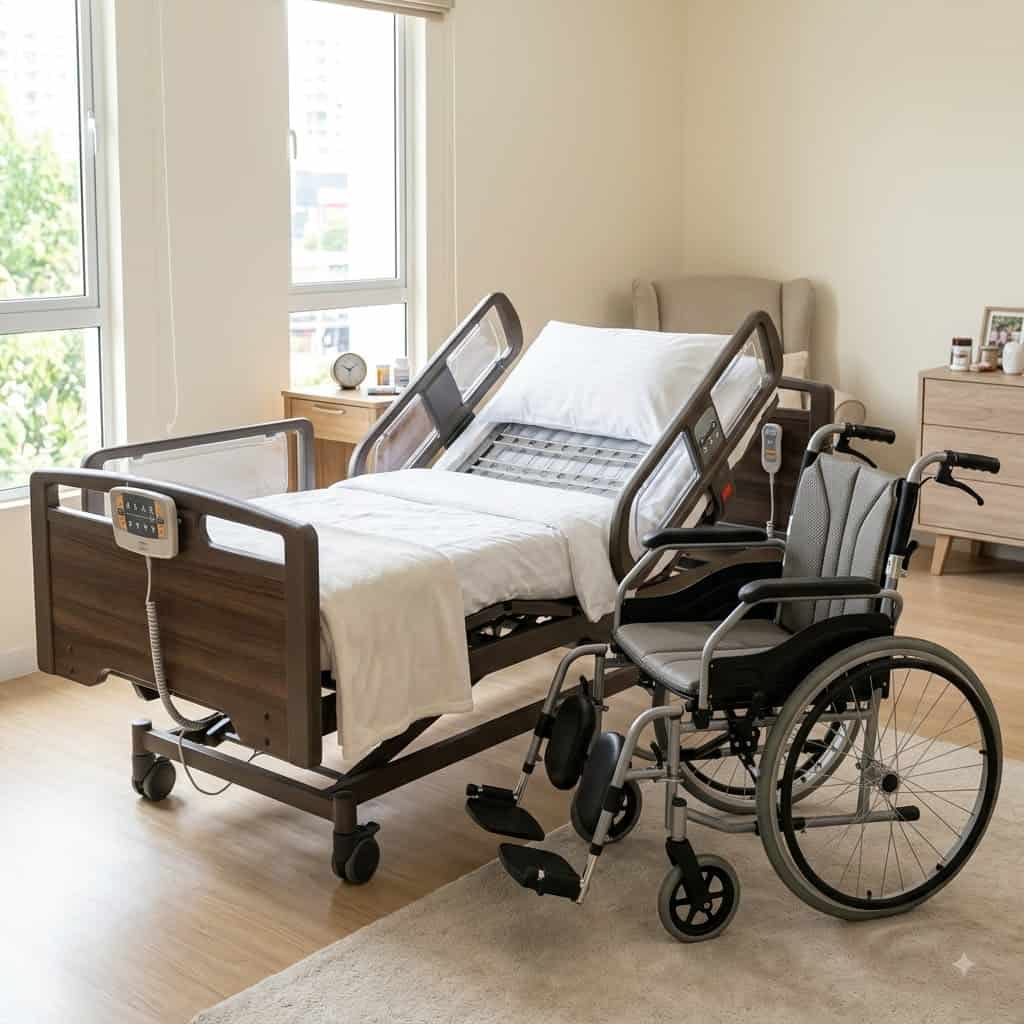
Stairs represent the single greatest indoor fall hazard. Facilities like The Healer nursing home in Taiping feature 100% single-storey bungalow layouts with non-slip flooring, grab bars, and zero threshold steps.
Concerned About Your Parent’s Balance or Gait?
Book a comprehensive senior mobility assessment with our resident doctor and physiotherapists.
Environmental Home Safety Audit
For home care patients, our registered physiotherapists conduct home safety audits — identifying loose rugs, dim lighting, slippery bathroom tiles, and recommending grab bar installations.
What to Do in the First Hour After a Fall
How a fall is handled in the first hour affects the outcome more than most families realise:
- Do not lift them immediately. Check for pain at the hip, wrist and head before any movement.
- Suspect a fracture if there is hip pain, an inability to bear weight, or a visibly shortened or rotated leg. Call for medical transport rather than moving them by car.
- Watch for delayed head injury — particularly in anyone taking blood thinners, where symptoms can appear hours later.
- Record what happened — time, location, what they were doing. Patterns matter more than incidents.
- Report every fall, including the ones without injury. An unreported near-miss is the warning that gets ignored.
That last point is where home care most often breaks down: falls without visible injury go unmentioned to spare worry, and the pattern is only discovered after a fracture. Continuous supervision in a nursing home in Taiping closes that gap, and if transport is needed our guide to private ambulance services in Perak covers the options.
Frequently Asked Questions
Helpful answers to common questions about Fall Prevention Physiotherapy Exercises Elderly.
Key exercises include sit-to-stand repetitions, single-leg balance stands (with support), heel-to-toe tandem walking, calf raises, and gentle seated core rotations to rebuild lower limb strength and proprioception.
Conditions like Benign Paroxysmal Positional Vertigo (BPPV) cause sudden spinning sensations during head movements, leading to loss of balance and dangerous falls if left untreated.
The doctor or physiotherapist guides the patient through specific sequential head movements to reposition displaced calcium crystals from the semicircular canals back into the utricle, resolving dizziness quickly.
Seniors should engage in guided, low-impact balance and mobility exercises for 15 to 30 minutes, 3 to 5 times per week, under professional supervision.
Loose floor rugs, wet bathroom tiles, dim hallway lighting, exposed electrical cords, lack of stair handrails, and low, unstable furniture cause over 75% of home fall accidents.
Specialized non-slip grip socks provide traction on tiled floors, while padded hip protector garments absorb impact forces during an accidental fall, dramatically reducing hip fracture risks.
Yes. Progressive gait retraining in a safe, supported environment rebuilds balance confidence, restores independent mobility, and breaks the cycle of fear-induced muscle atrophy.
Yes. Daily morning group mobility exercises, garden walking paths, and individual physiotherapy sessions ensure residents maintain balance, muscle tone, and flexibility.
Popular Related Insights
Explore key guides on senior mobility, physiotherapy and elderly care across Malaysia.

Ready to Act on Fall Prevention?
Tap the option that matches where you are — your message goes straight to the right team.
💬 Physiotherapy — Klang Valley 🏡 Elderly Care — TaipingPart of the ServicePro.my Healthcare Hub Network. All rights reserved.
Common Questions About Fall Prevention & Senior Mobility
Helpful answers from our healthcare team on this subject.