
5 Signs It’s Time to Consider a Professional Care Centre for Your Parents
Identifying early indicators of mobility decline, memory loss, caregiver burnout, and medication errors before a serious medical crisis occurs.
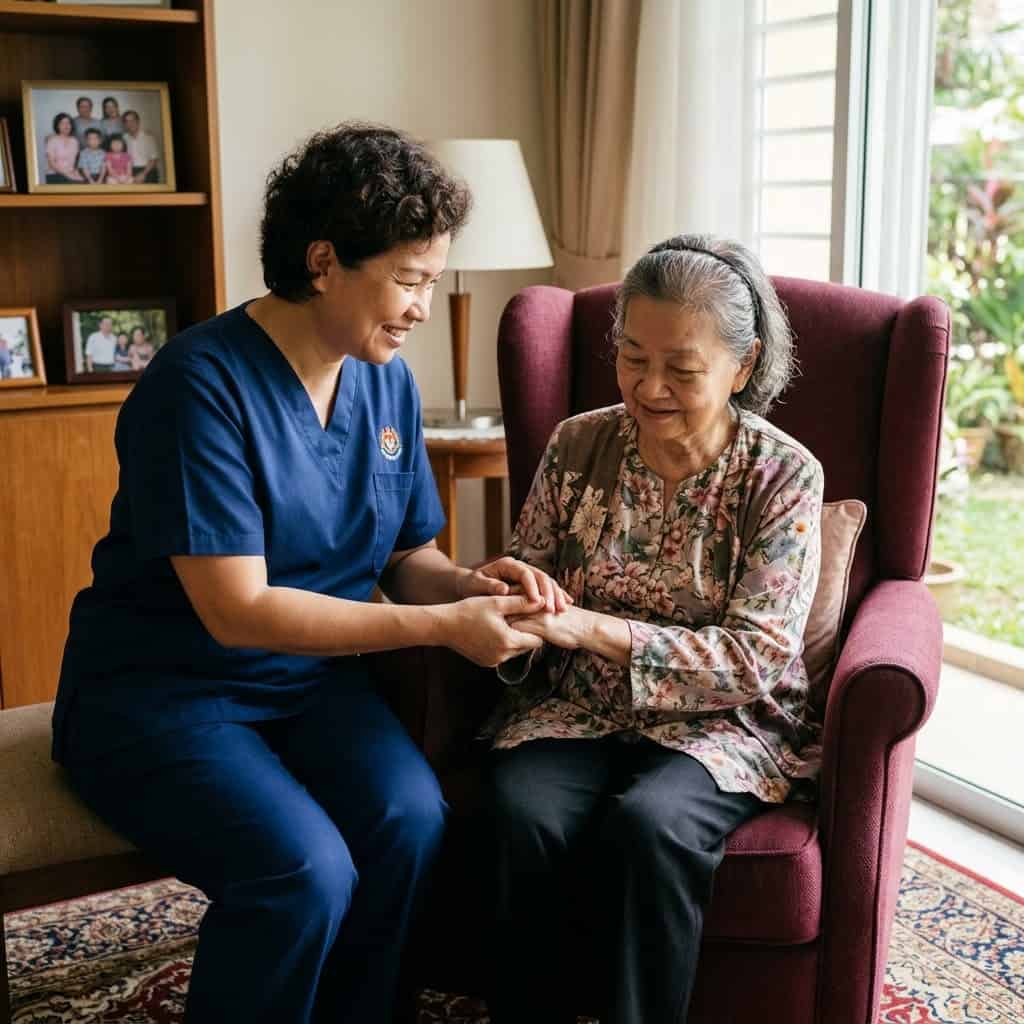
Deciding when an aging parent needs professional care is one of the most emotionally challenging decisions a family can make. Too often, families wait until a major catastrophe — such as a severe hip fracture from a fall or a sudden stroke — forces an emergency decision under immense stress.
Geriatric Safety Standard: Falls are the leading cause of injury-related hospitalization among seniors over 65 in Malaysia. Over 40% of falls among seniors living alone lead to long-term disability or loss of independence.
Authority Reference: Verified against Malaysian Society of Geriatric Medicine (MSGM) Senior Safety Reports
The 5 Red Flags You Should Never Ignore
1. Frequent Unexplained Bruising or Near-Fall Incidents
If you notice your parent gripping furniture, stumbling, or exhibiting unexplained bruising, their muscle strength or balance is compromising their safety. Multi-storey houses with staircases become serious hazards.
2. Medication Confusion & Missed Dosages
Seniors managing multiple chronic conditions (hypertension, diabetes, heart disease) frequently mix up pill bottles or forget dosages entirely, leading to dangerous BP spikes or hypoglycemic episodes.
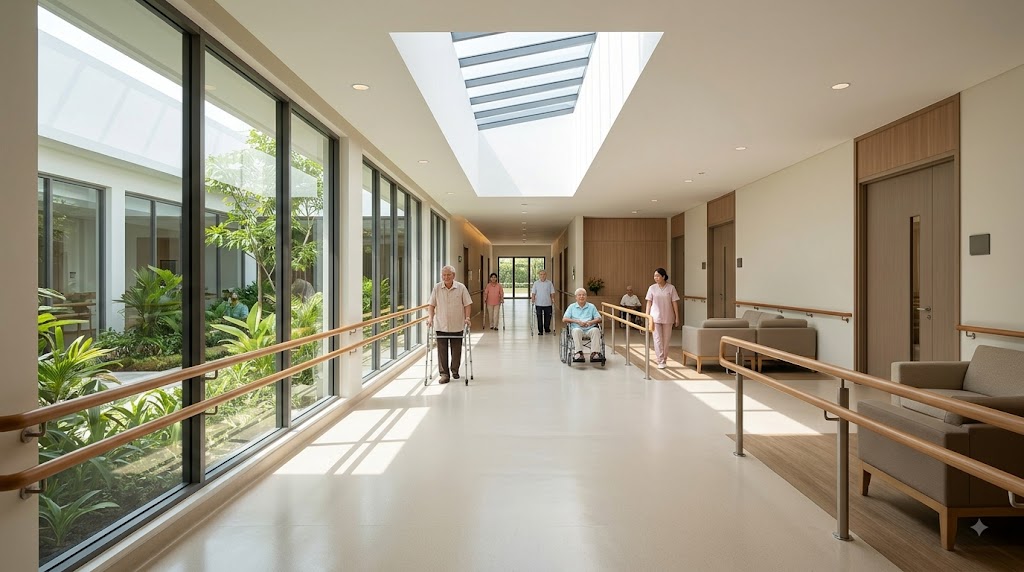 Professional medication administration prevents dangerous double-dosing and prescription errors.
3. Rapid Weight Loss & Poor Hygiene
An empty refrigerator, spoiled food, or neglected personal hygiene are clear indicators that daily self-care tasks have become overwhelming.
4. Social Withdrawal & Increased Memory Loss
Repeatedly asking the same questions, wandering, or withdrawing from friends are classic early signs of dementia or depression that require structured cognitive stimulation.
5. Caregiver Burnout for Family Members
If you or your spouse are physically exhausted, emotionally drained, or sacrificing your own health and work performance to care for a parent, professional support is urgently needed.
Not Sure If It’s Time?
Talk to our doctor-led care team for a confidential, objective health assessment of your parent’s needs.
Why Proactive Care Transition Matters
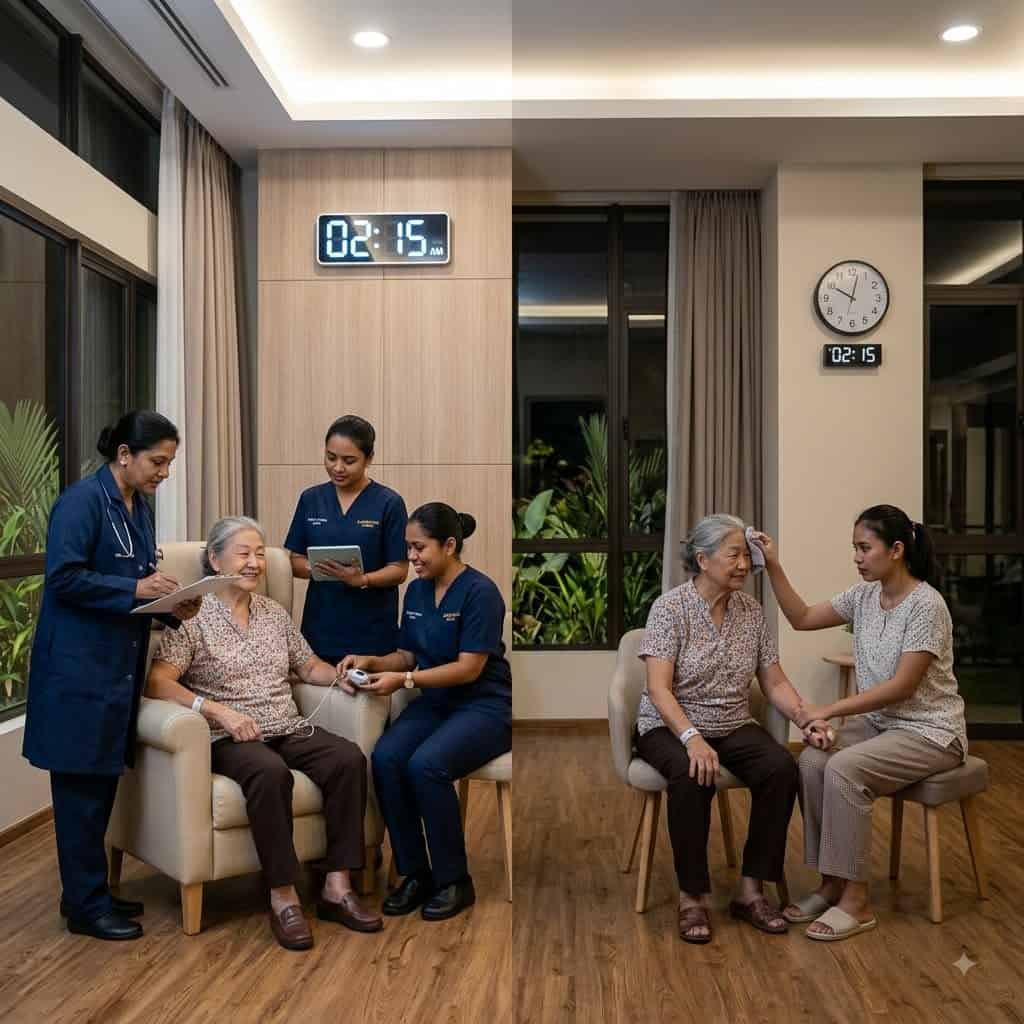
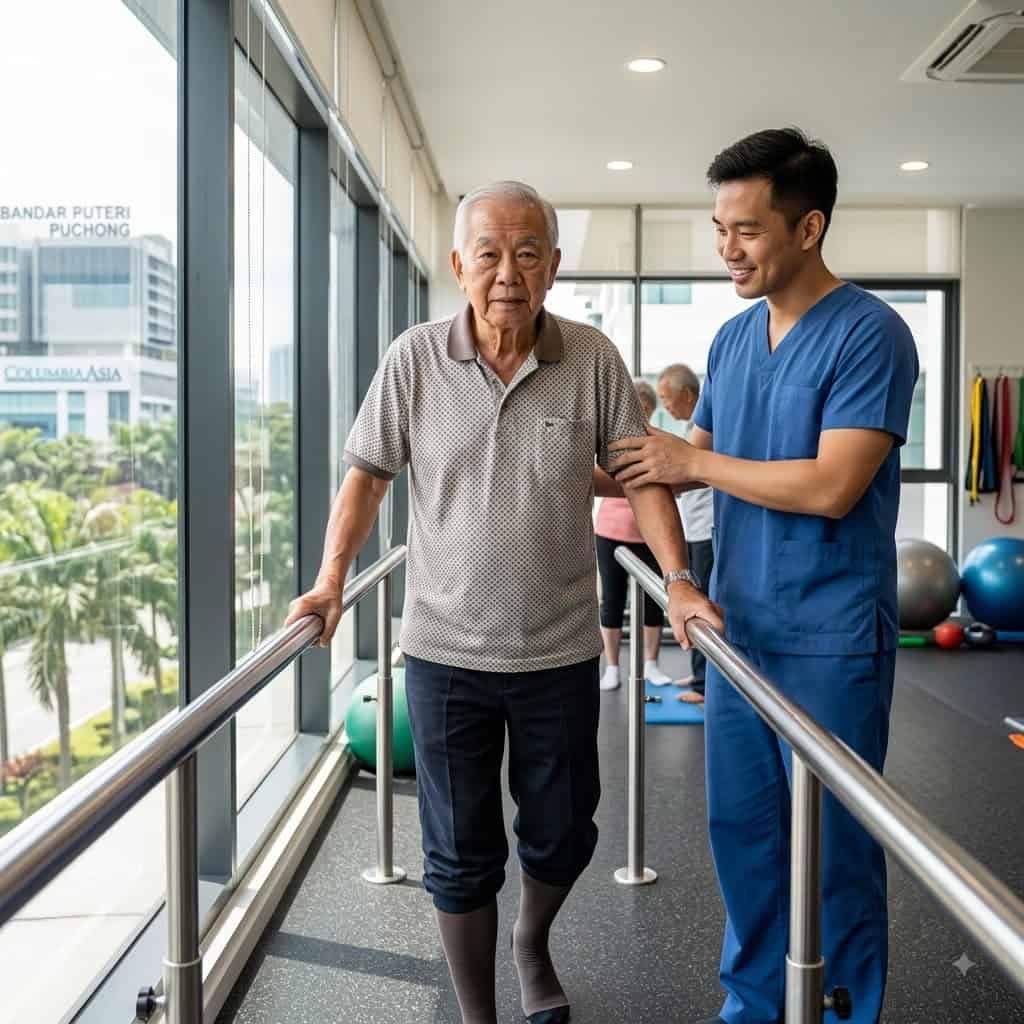
Moving into a purpose-built single-storey bungalow care centre early allows seniors to adjust smoothly, build friendships, and receive daily therapy while they are still active, rather than transitioning during a trauma crisis.
How to Raise It Without a Confrontation
Most families recognise the signs long before they act, because the conversation feels like a betrayal. A few practical framings make it considerably easier:
- Lead with a specific incident, not a verdict. “You fell twice last month” invites problem-solving; “you can’t cope any more” invites defence.
- Frame it as a trial, not a decision. A two-week respite stay lets everyone test the reality instead of arguing about an abstraction.
- Let a clinician deliver the clinical part. Advice about medication safety or fall risk lands very differently from a doctor than from an adult child.
- Give them authority over the details. Which room, which belongings, which routine — control over specifics offsets the loss of control over the decision.
Where the conversation stalls, a facility visit often resolves it faster than further discussion. Seeing a nursing home in Taiping with a garden and other residents dismantles the image most seniors are actually resisting.
Frequently Asked Questions
Helpful answers to common questions about Five Signs Parents Need Care Centre.
The 5 main signs are: (1) Frequent unexplained falls or bruises, (2) Chronic missed medication doses, (3) Rapid unmanaged weight loss and malnutrition, (4) Wandering or severe memory lapses, and (5) Severe caregiver burnout in the family.
A single fall drastically increases the risk of hip fractures, head trauma, and fear-induced immobility. Over 50% of seniors who suffer a hip fracture never regain their pre-fall functional independence.
Complex multiple prescriptions (polypharmacy), declining vision, cognitive impairment, and confusing dosage schedules lead to dangerous accidental overdoses or missed doses.
Seniors with advancing dementia may leave gas stoves unattended, wander out of the house into traffic, ingest spoiled food, or open doors to strangers, creating life-threatening risks.
Caregiver burnout causes chronic physical exhaustion, anxiety, depression, and marital strain when adult children attempt to balance 24/7 intensive caregiving with full-time careers.
Frame the move as a wellness-focused step toward safety, professional medical support, and chef-prepared meals rather than a loss of independence, emphasizing trial respite stays.
Yes, fear of abandonment and the unknown is natural. Involving their trusted family doctor and arranging a relaxed visit or trial stay helps normalize the transition.
Install bathroom grab bars, non-slip floor treatments, remove loose rugs, improve hallway lighting, and ensure clear, clutter-free pathways throughout the home.
Popular Related Insights
Explore key guides and healthcare insights for elderly care in Taiping.


Ready to Explore Elderly Care Options in Taiping?
Book a free virtual tour, schedule a doctor consultation, or speak directly to our medical team today.
💬 WhatsApp Us NowPart of the ServicePro.my Healthcare Hub Network. All rights reserved.
Common Questions About Senior Assisted Living Signs
Helpful answers from our healthcare team on this subject.