
Understanding Medication Management for Seniors: Why Professional Help is Crucial
Navigating polypharmacy, accidental double-dosing, and adverse drug interactions in elderly patients with chronic conditions.

As seniors age, it is common for them to be prescribed multiple medications by different specialists — cardiologists, endocrinologists, and general practitioners. Taking 5 or more prescription drugs daily is medically termed polypharmacy.
Without professional oversight, polypharmacy frequently leads to accidental double-dosing, missed pills, or dangerous drug-to-drug interactions that mimic cognitive decline or cause sudden dizziness and falls.
Pharmaceutical Safety Note: Studies show that over 30% of emergency hospital admissions among Malaysian seniors are directly linked to adverse drug reactions or incorrect medication administration at home.
Authority Reference: Verified against Pharmaceutical Services Programme, Ministry of Health Malaysia (MOH) Guidelines
Common Medication Pitfalls for Seniors Living at Home
1. Double Dosing Due to Memory Confusion
A senior may take their morning blood pressure pill, forget they took it 30 minutes later, and take a second dose — causing a precipitous drop in blood pressure and fainting spells.
2. Misunderstanding Instructions (e.g. Before vs. After Meals)
Certain diabetic medications or blood thinners require strict timing relative to food intake. Taking them incorrectly causes severe hypoglycemia or gastric ulcers.
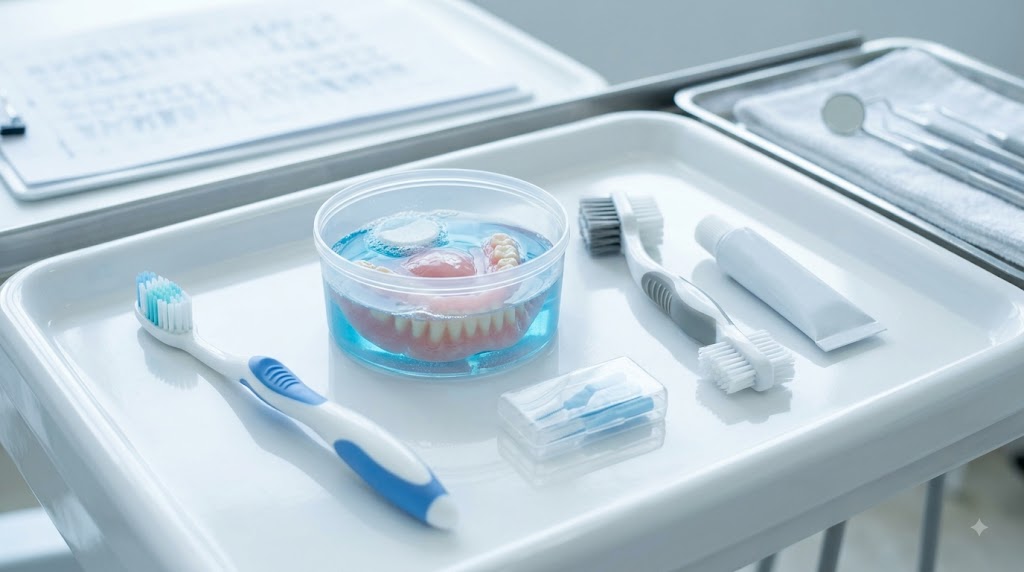 Structured daily medication administration ensures zero missed or duplicate doses.
3. Over-the-Counter & Herbal Conflicts
Seniors often take health supplements or herbal remedies that interact dangerously with prescription blood thinners (e.g., Warfarin) or hypertension medication.
Concerned About Your Parent’s Medications?
Schedule a professional medication review with Dr. Tan to simplify pill schedules safely.
The Healer Doctor-Led Medication Protocols
At our Taiping Care Centre, Dr. Tan conducts comprehensive medical audits upon admission. All prescription drugs are managed by registered nurses, packaged into blister packs, and logged digitally — ensuring 100% compliance and zero error risk.
Polypharmacy: The Underlying Risk
Most medication incidents among Malaysian seniors are not caused by a single dangerous drug. They arise from accumulation — a cardiologist adds one prescription, a general practitioner another, a pharmacy supplements a third, and nobody holds the complete list.
A senior managing five or more daily medications faces compounding difficulty: overlapping active ingredients under different brand names, interactions nobody screened for because no single clinician saw the full picture, and timing rules that conflict with each other and with meals.
The corrective step is a periodic full medication review, in which every item — including over-the-counter painkillers and traditional preparations — is laid out and reconciled against current diagnoses. Doing this reliably at home is difficult, which is why it forms part of admission at our nursing home in Taiping and of every structured home care plan. Families managing this remotely should also read our guidance on coordinating care from another city.
Frequently Asked Questions
Helpful answers to common questions about Senior Medication Management.
Polypharmacy refers to the concurrent use of 5 or more prescription medications. In seniors, it drastically increases the risk of adverse drug interactions, severe dizziness, falls, and renal complications.
Blister packs organize all daily pills into sealed, labeled compartments by day and time (Morning, Noon, Evening, Bedtime), eliminating confusion and double dosing.
A clinical pharmacist conducts comprehensive medication reviews, identifies harmful drug-drug or drug-nutrient interactions, simplifies dosing schedules, and advises on swallowing alternatives.
Medications should be formally reviewed by an MMC doctor or pharmacist at least every 3 to 6 months, or immediately following any hospital discharge or change in health status.
Common mistakes include taking duplicate generic and brand-name drugs simultaneously, skipping blood pressure doses when feeling ‘well’, and improperly crushing non-crushable extended-release tablets.
Yes. Common herbs like Ginkgo Biloba, Ginseng, and St. John’s Wort can interact dangerously with blood thinners, blood pressure medicines, and diabetes drugs, causing bleeding or severe hypoglycemia.
Care centres utilize standardized medication administration records (MAR), dual-caregiver verification protocols, and locked pharmaceutical storage.
Expired or discontinued medications should never be kept in medicine cabinets; return them to a registered pharmacy or care facility for safe medical disposal.
Popular Related Insights
Explore key guides and healthcare insights for elderly care in Taiping.



Ready to Explore Elderly Care Options in Taiping?
Book a free virtual tour, schedule a doctor consultation, or speak directly to our medical team today.
💬 WhatsApp Us NowPart of the ServicePro.my Healthcare Hub Network. All rights reserved.
Common Questions About Senior Medication Management
Helpful answers from our healthcare team on this subject.