
Geriatric Oral Health: Preventing Gum Disease, Malnutrition & Denture Complications in Seniors
How oral hygiene, denture care, and tele-dentistry screenings impact systemic senior health, cardiovascular safety, and proper nutrition.
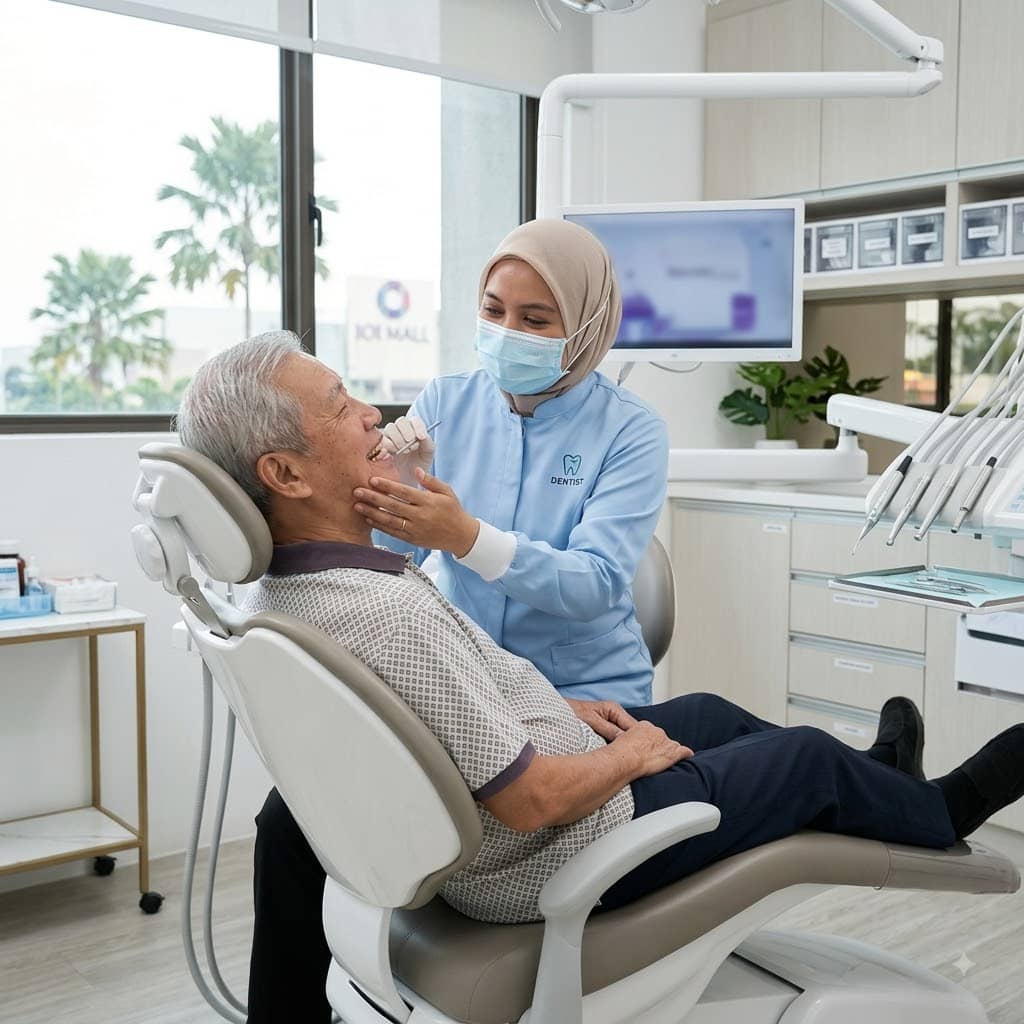
Oral health is often overlooked in senior care, yet it is directly linked to systemic overall health. Poor oral hygiene, ill-fitting dentures, or untreated periodontitis (gum disease) lead to painful eating, severe malnutrition, and increased risk of aspiration pneumonia in elderly individuals.
Through the Service Pro Healthcare Network, tele-dentistry screenings and structured nursing oral care ensure seniors maintain healthy smiles and appetite.
Clinical Dental Link: Oral bacteria from chronic periodontitis can enter the bloodstream, aggravating cardiovascular disease, arterial plaque formation, and glycemic control in diabetic seniors.
Authority Reference: Verified against Oral Health Program, Ministry of Health Malaysia (MOH) Senior Dental Care Guidelines
4 Common Oral Health Challenges for Seniors
1. Ill-Fitting Dentures Leading to Malnutrition
Loose or painful dentures cause seniors to avoid meat, vegetables, and high-fiber foods, relying instead on soft carbohydrates that trigger sugar spikes.
2. Xerostomia (Dry Mouth from Medications)
Many chronic prescription drugs (hypertension meds, anti-depressants) reduce saliva flow, accelerating tooth decay and oral fungal infections (thrush).
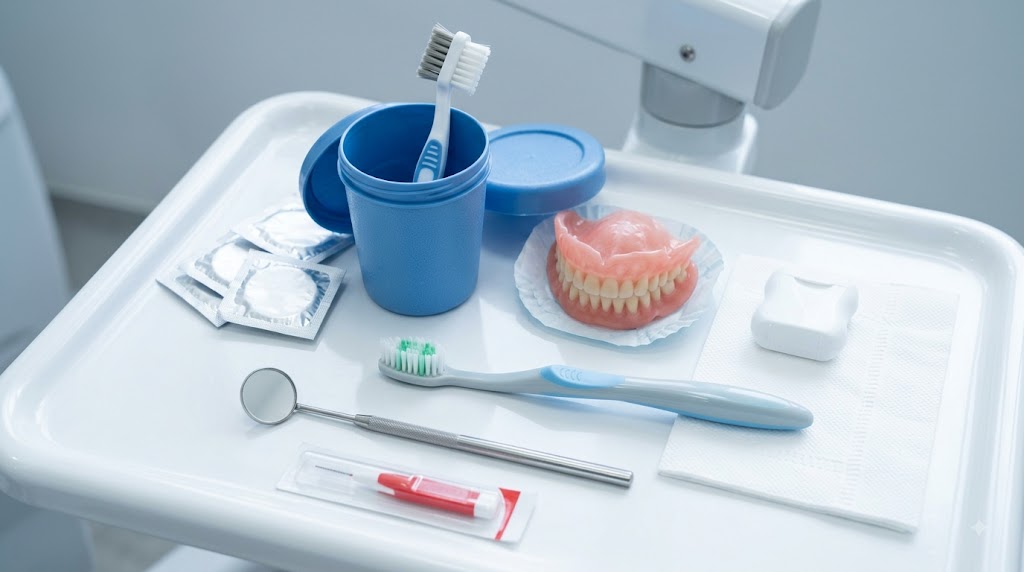 Proper dental health enables seniors to enjoy nutrient-dense foods comfortably.
3. Aspiration Risk from Oral Bacteria
In bedridden or post-stroke seniors with swallowing difficulties, uncleaned oral bacteria can be inhaled into the lungs, triggering life-threatening aspiration pneumonia.
Is Your Parent Experiencing Denture or Eating Discomfort?
Schedule a tele-dentistry oral screening with our dental partners through Service Pro.
The Healer Daily Oral Nursing Protocol
At our Taiping Care Centre, registered nurses assist residents with daily oral mouthwashing, denture cleaning, and hydration tracking, backed by tele-dentistry evaluations when dental work is needed.
A Daily Oral Care Routine That Works
Oral health in seniors deteriorates quietly and then presents as something else entirely — weight loss, aspiration pneumonia, or refusal to eat. A consistent routine prevents most of it:
- Morning — brush natural teeth and gums with a soft brush; rinse dentures before fitting.
- After meals — remove and rinse dentures to clear trapped food, the usual source of gum inflammation.
- Evening — dentures out, cleaned, and soaked overnight. Sleeping in dentures is the single most common avoidable cause of oral thrush.
- Throughout the day — sips of water or a saliva substitute where medications cause dry mouth.
- Weekly — inspect gums for ulcers, redness or pressure sores from a poorly fitting plate.
The weekly inspection matters most, because a denture that has stopped fitting rarely announces itself — the senior simply eats less. This check forms part of daily nursing at our nursing home in Taiping, and where a specialist opinion is needed it can often be arranged through our remote monitoring service, tele-dentistry included, rather than a difficult trip out.
Frequently Asked Questions
Helpful answers to common questions about Senior Dental Care Dentures Gum Disease Prevention.
Poor oral hygiene allows pathogenic bacteria to accumulate in the mouth, which can be aspirated into the lungs, leading to severe and life-threatening aspiration pneumonia in seniors.
Dentures must be removed after meals, brushed with a soft denture brush using non-abrasive cleaner (never regular abrasive toothpaste), and soaked overnight in antiseptic denture cleansing solution.
Signs include gum sores, mouth ulcers, slurred speech, reluctance to eat solid food, clicking sounds while chewing, and frequent use of excessive denture adhesive paste.
Dry mouth—often caused by common hypertension and cardiovascular medications—removes saliva’s natural protective enzymes, drastically accelerating tooth decay and fungal oral thrush infections.
Seniors should undergo a professional oral examination at least once a year to inspect gum health, check for oral mucosal lesions, and adjust denture fit as jawbone shape naturally recedes with age.
Use gentle, reassuring tones, a soft-bristled toothbrush, non-foaming ingestible toothpaste, and establish a consistent, unhurried daily oral care routine.
Tele-dentistry enables dental professionals to visually inspect oral lesions, gum swelling, and denture alignment via high-resolution video consultations, advising on prompt treatment.
Trained caregivers perform assisted daily oral cleanings, denture sanitization, oral moisturizing treatments, and monitor for early signs of gingivitis or mouth discomfort.
Popular Related Insights
Explore key guides and healthcare insights for elderly care in Taiping.




Ready to Explore Elderly Care Options in Taiping?
Book a free virtual tour, schedule a doctor consultation, or speak directly to our medical team today.
💬 WhatsApp Us NowPart of the ServicePro.my Healthcare Hub Network. All rights reserved.
Common Questions About Senior Dental & Oral Care
Helpful answers from our healthcare team on this subject.