
How to Help Your Parent Transition Smoothly into a Care Centre
Step-by-step psychological and practical roadmap to prepare your aging parents for nursing home in Taiping with dignity, comfort, and emotional security.

Moving an elderly parent into a care facility is an emotional milestone. Seniors often fear loss of autonomy, unfamiliar routines, and separation from family. Meanwhile, adult children struggle with feelings of guilt.
With empathetic communication and proactive planning, this transition can become a positive new chapter focused on wellness and active companionship.
Geriatric Psychology Insight: Involving seniors in decorating their room and framing the move as a ‘health rehab trial’ reduces relocation stress syndrome (RSS) by over 60%.
Authority Reference: Verified against American Psychological Association (APA) Senior Relocation Guidelines
4 Steps for a Seamless Transition
1. Have Early, Open Conversations
Avoid surprising your parent. Frame the move as a proactive health decision: “We want you to have 24/7 doctor care, delicious meals, and gardens so you can regain your strength, rather than staying alone at home.”
2. Personalize Their Room with Familiar Belongings
Bring their favorite armchair, family photo albums, bedsheets, and familiar tea cups. Surrounding them with personal mementos instantly makes their new room feel like home.
 Personalizing private rooms with familiar mementos creates immediate comfort and emotional security.
3. Establish a Consistent Visit & Video Call Schedule
Reassure your parent that they are not being isolated. Set fixed call times (e.g. daily 7 PM video call) and weekend visit schedules so they always have something to look forward to.
4. Rely on Caring Staff Integration
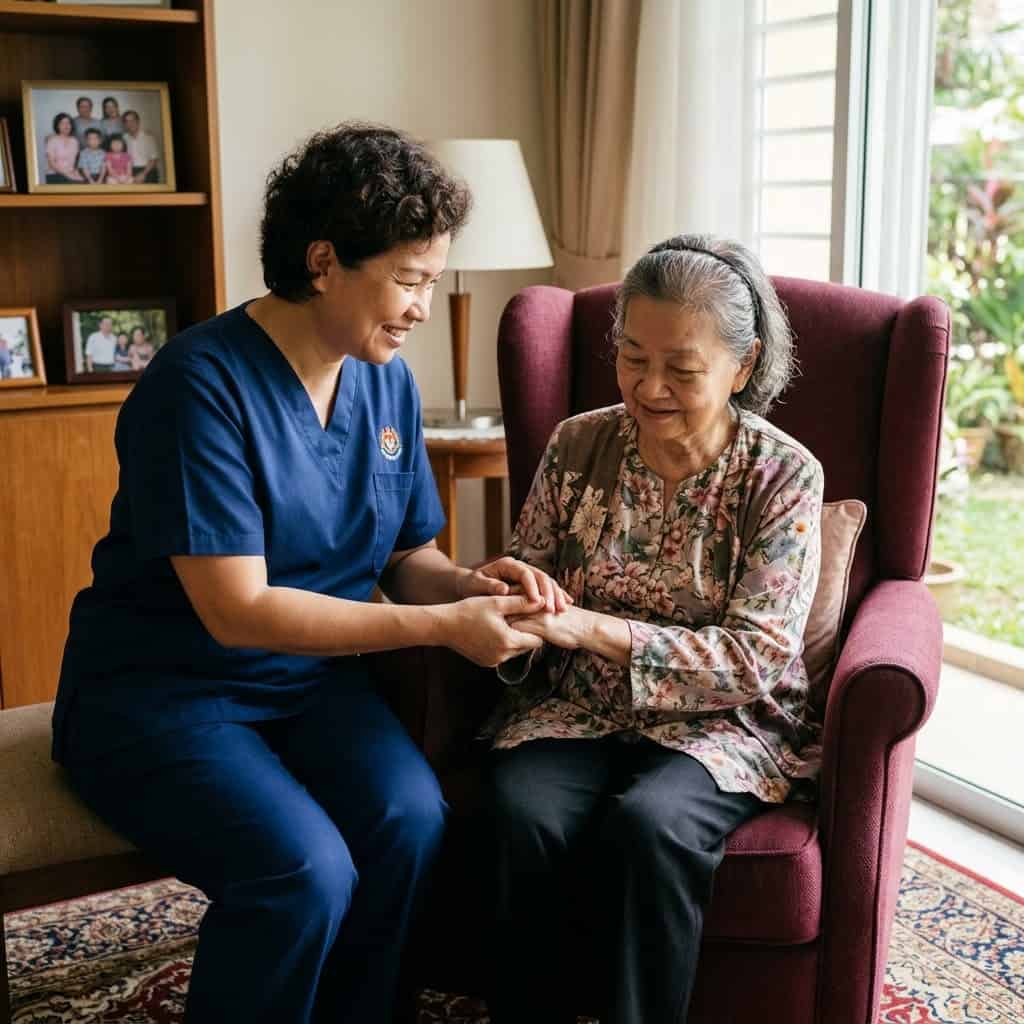
Our care team at The Healer assigns a primary buddy nurse during the first 14 days to accompany your parent to meals, garden walks, and acupuncture sessions until they feel completely settled.
Preparing for Your Parent’s Transition?
Consult our experienced care advisors for guidance on customized transition plans.
A New Chapter of Health and Happiness
When seniors realize they are surrounded by supportive medical staff, delicious meals, green gardens, and newfound friends, apprehension quickly turns into contentment and relief for the entire family.
The First Thirty Days, Week by Week
Adjustment follows a fairly consistent pattern. Knowing it in advance prevents families from reading a normal phase as a mistake:
- Week 1 — disorientation and frequent requests to go home. Expected, and not an indication the decision was wrong.
- Week 2 — routine begins to anchor. Meal and activity times become predictable; sleep usually improves first.
- Week 3 — early social contact. Most residents form one or two connections that carry the rest of the adjustment.
- Week 4 — a stable baseline emerges, and clinical staff can distinguish genuine changes from settling-in effects.
The most common family error is reducing visits in week one to “let them settle”. The opposite works better: frequent short visits early, tapering to a sustainable rhythm as routine takes hold. Where distance makes that impractical, scheduled video contact through our remote monitoring service serves the same purpose.
Frequently Asked Questions
Helpful answers to common questions about Transitioning Parents To Care Centre.
Most seniors take between 2 to 4 weeks to adjust to new daily routines, staff caregivers, and fellow residents. Patience, encouragement, and consistent visits facilitate a smooth transition.
Recognize that choosing professional care ensures their physical safety, medical oversight, proper nutrition, and social engagement—benefits that a busy working child cannot provide alone 24/7.
Bring familiar family photographs, favorite beddings or blankets, a comfortable personal chair, beloved books, and meaningful cultural or religious items.
Frequent, positive visits (2 to 3 times a week or weekly for outstation children) combined with brief daily video calls reassure parents that they remain deeply loved and connected.
Acknowledge their feelings with empathy rather than arguing, focus on short-term milestones (‘let’s try this for a month to regain your strength’), and work closely with care staff.
Trained caregivers provide one-on-one companionship, introduce residents to friendly peers with similar interests, and engage them in meaningful daily activities and sensory garden walks.
Yes. Quality care centres hold regular family care conferences with the attending doctor to review health progress, dietary adjustments, and therapy goals.
Absolutely. A 1-to-2-week respite stay allows parents to experience the care, meals, and social life firsthand, significantly reducing anxiety about a permanent move.
Popular Related Insights
Explore key guides and healthcare insights for elderly care in Taiping.



Ready to Explore Elderly Care Options in Taiping?
Book a free virtual tour, schedule a doctor consultation, or speak directly to our medical team today.
💬 WhatsApp Us NowPart of the ServicePro.my Healthcare Hub Network. All rights reserved.
Common Questions About Transitioning Parents to a Care Centre
Helpful answers from our healthcare team on this subject.