
A Guide to Nutritious Diets for Seniors with Diabetes & Hypertension
How therapeutic meal planning, low-GI ingredients, and balanced sodium intake manage chronic conditions while maintaining appetizing Malaysian flavors.
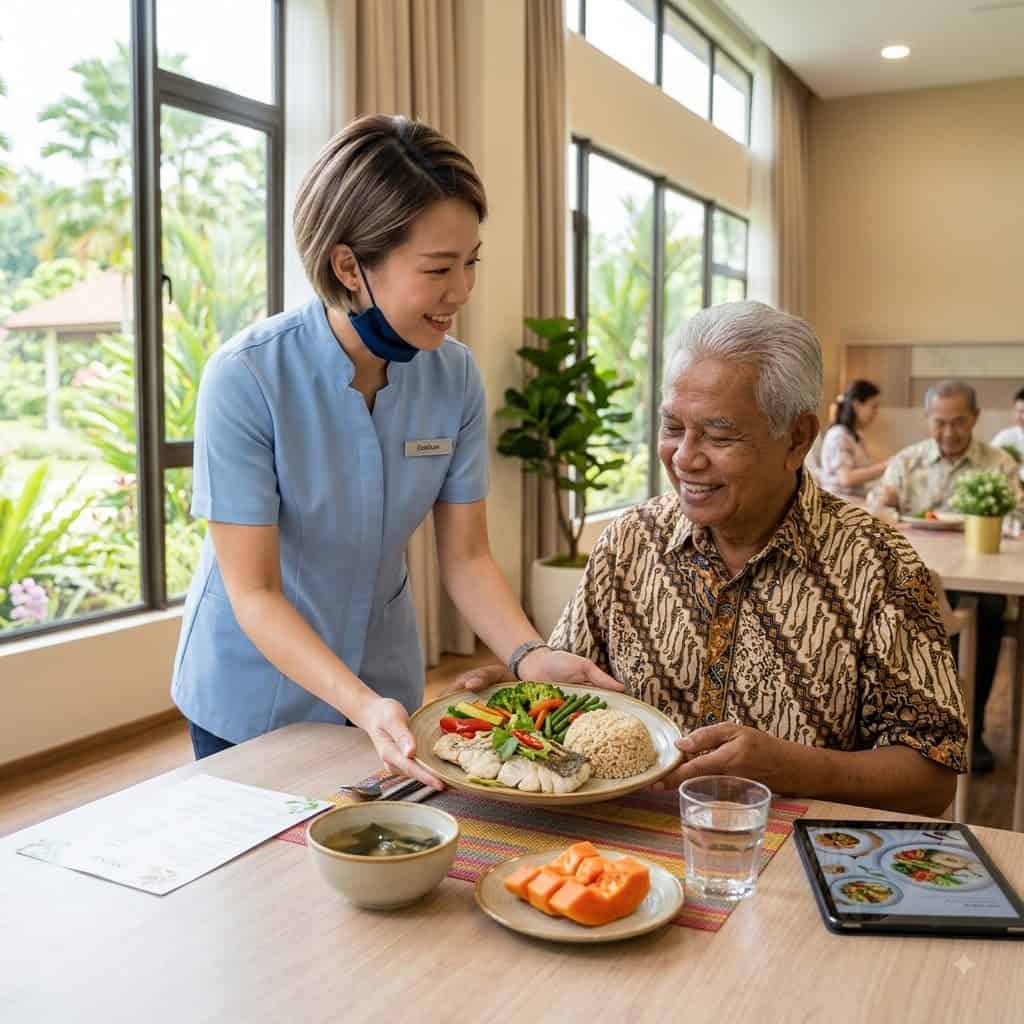
In Malaysia, food is central to culture. However, for seniors living with Type 2 diabetes, hypertension, or kidney disease, unmonitored traditional Malaysian diets high in refined carbs, palm oil, and heavy salt can lead to dangerous glucose spikes and cardiovascular strain.
At The Healer nursing home in Taiping, nutrition is treated as medicine. Our meals are designed to be therapeutic yet delicious and familiar.
Clinical Nutrition Standard: Proper glycemic and sodium dietary control reduces HbA1c levels in diabetic seniors and significantly lowers stroke recurrence risks.
Authority Reference: Verified against Ministry of Health Malaysia (MOH) Clinical Practice Guidelines for Type 2 Diabetes Management
3 Core Principles of Senior Clinical Nutrition
1. Low-Glycemic Index (Low-GI) Carbohydrate Swaps
Replacing refined white rice with brown rice, quinoa, or whole grain porridge prevents rapid blood sugar spikes after meals.
2. Low-Sodium & Herbal Flavor Enhancements
Rather than relying on heavy MSG or salt, our kitchen utilizes fresh natural herbs — ginger, lemongrass, turmeric, and garlic — which provide anti-inflammatory benefits while controlling blood pressure.
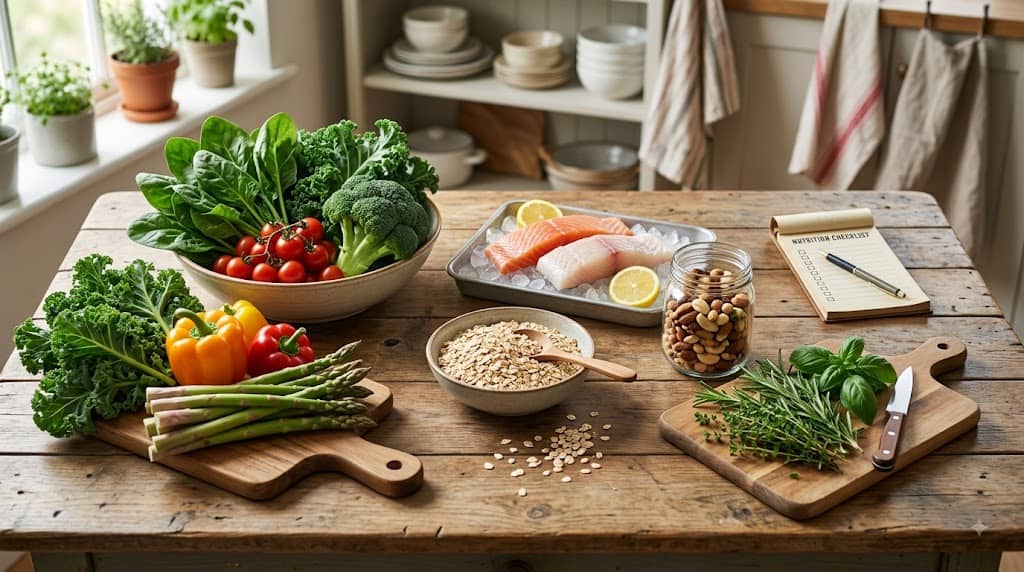 Customized 5-meal daily plans ensure constant energy without blood sugar spikes.
3. Texture-Modified Meals for Dysphagia (Swallowing Difficulties)
For stroke survivors with swallowing difficulties (dysphagia), meals are pureed or soft-cut under speech therapist guidance to prevent choking and aspiration pneumonia.
Does Your Parent Need Specialized Dietary Management?
Learn how our in-house medical meal planning controls diabetes and hypertension naturally.
5 Meals Daily for Optimal Energy
Instead of 3 large heavy meals, residents enjoy 5 smaller nutrient-dense meals daily (breakfast, morning tea, lunch, afternoon tea, dinner), promoting digestion and steady energy.
What a Day of Clinical Meals Actually Looks Like
Principles are easier to agree with than to execute. A representative day for a resident managing both diabetes and hypertension runs roughly as follows:
- 7:00am — oats or wholegrain porridge with a boiled egg; medications taken with food where required.
- 10:00am — cut fruit with a low-GI profile, such as guava or papaya, rather than juice.
- 12:30pm — brown rice, steamed fish, two vegetable dishes, seasoned with herbs and aromatics instead of salt.
- 3:30pm — a protein-led snack; unsweetened soy milk or plain yoghurt.
- 6:30pm — a lighter mirror of lunch, served early enough to allow digestion before sleep.
Five smaller meals stabilise blood glucose far more effectively than three large ones, and the early dinner reduces night-time reflux, a common and under-recognised cause of disturbed sleep in seniors. Where swallowing is impaired, each item is texture-modified without being blended into a single indistinguishable portion — appetite depends on food remaining recognisable.
Frequently Asked Questions
Helpful answers to common questions about Senior Nutrition Diabetes Hypertension.
Focus on low-glycemic complex carbohydrates, high-fiber vegetables, lean proteins, strict sodium restriction (<1,500mg daily), healthy fats, and adequate hydration to stabilize blood pressure and glucose.
Declining taste bud sensitivity, reduced saliva production, slower gastric emptying, and polypharmacy often cause decreased appetite, nutrient deficiencies, and unintended weight loss.
Excess sodium leads to fluid retention, placing dangerous pressure on aging arterial walls and increasing the risks of stroke, congestive heart failure, and chronic kidney disease.
Care centres prepare texture-modified diets (soft, minced, or pureed) thickened with food thickeners to ensure safe swallowing without risk of choking or aspiration pneumonia.
Seniors require 1.0 to 1.2 grams of protein per kilogram of body weight daily to maintain muscle mass, support immune health, prevent frailty, and promote wound healing.
Maintain regular meal timings, replace refined white rice with brown rice or oats, avoid sugary sauces, incorporate steamed fish and tofu, and monitor post-prandial blood glucose levels.
Seniors have a diminished thirst sensation; chronic dehydration leads to urinary tract infections (UTIs), acute confusion/delirium, electrolyte imbalances, and acute kidney injury.
Yes. Co-founder Ms. Tay, a certified Pharmacist & Diet Consultant, supervises customized 5-meal daily plans tailored specifically to each resident's clinical profile.
Popular Related Insights
Explore key guides and healthcare insights for elderly care in Taiping.




Ready to Explore Elderly Care Options in Taiping?
Book a free virtual tour, schedule a doctor consultation, or speak directly to our medical team today.
💬 WhatsApp Us NowPart of the ServicePro.my Healthcare Hub Network. All rights reserved.
Common Questions About Senior Nutrition & Chronic Conditions
Helpful answers from our healthcare team on this subject.