
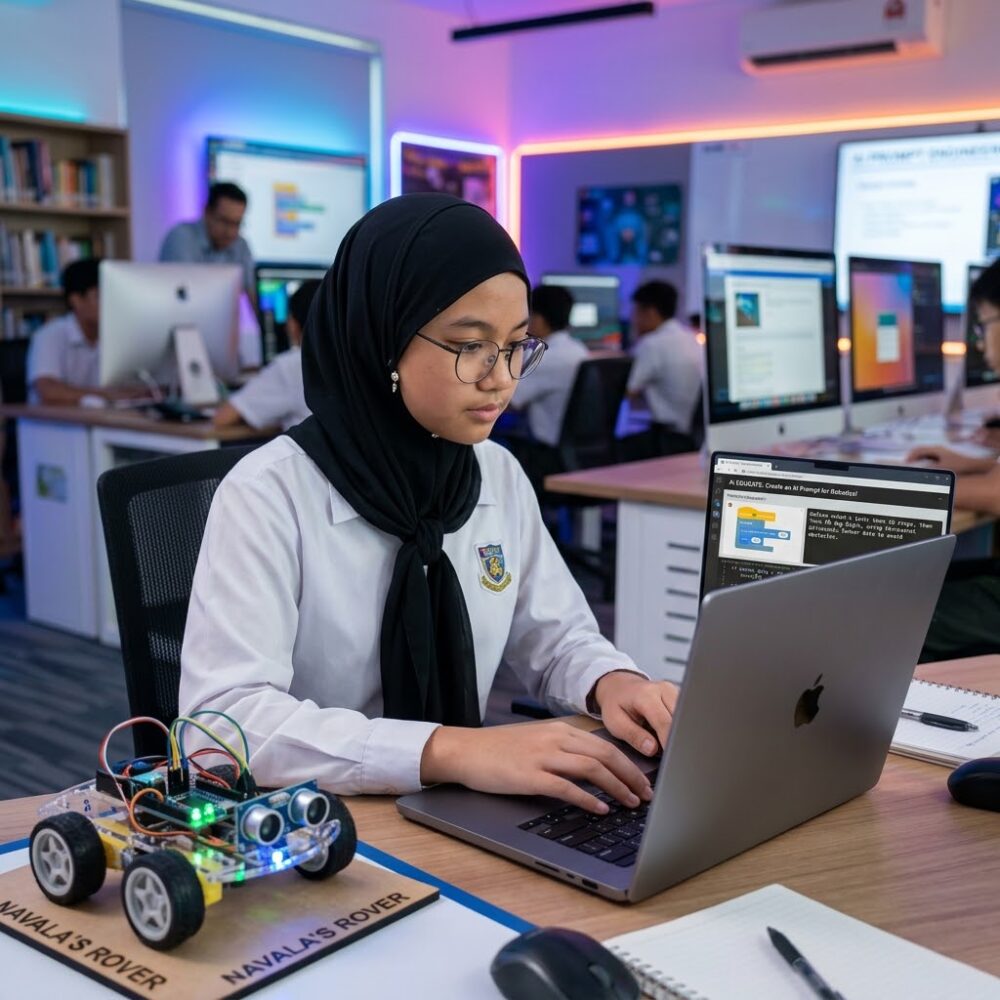
AI Literacy
Prompt Engineering & Logic
Years 3–11
Progressive Coding Continuum
100%
Hands-On Digital Projects
~RM900
Starting Monthly Tuition
1. The Generative AI Revolution: Why Coding Alone is No Longer Enough
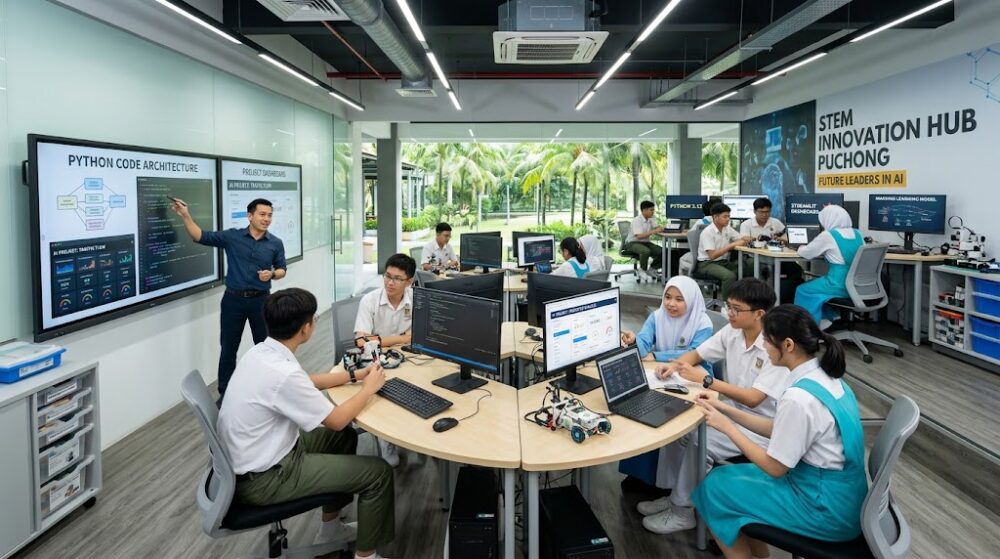
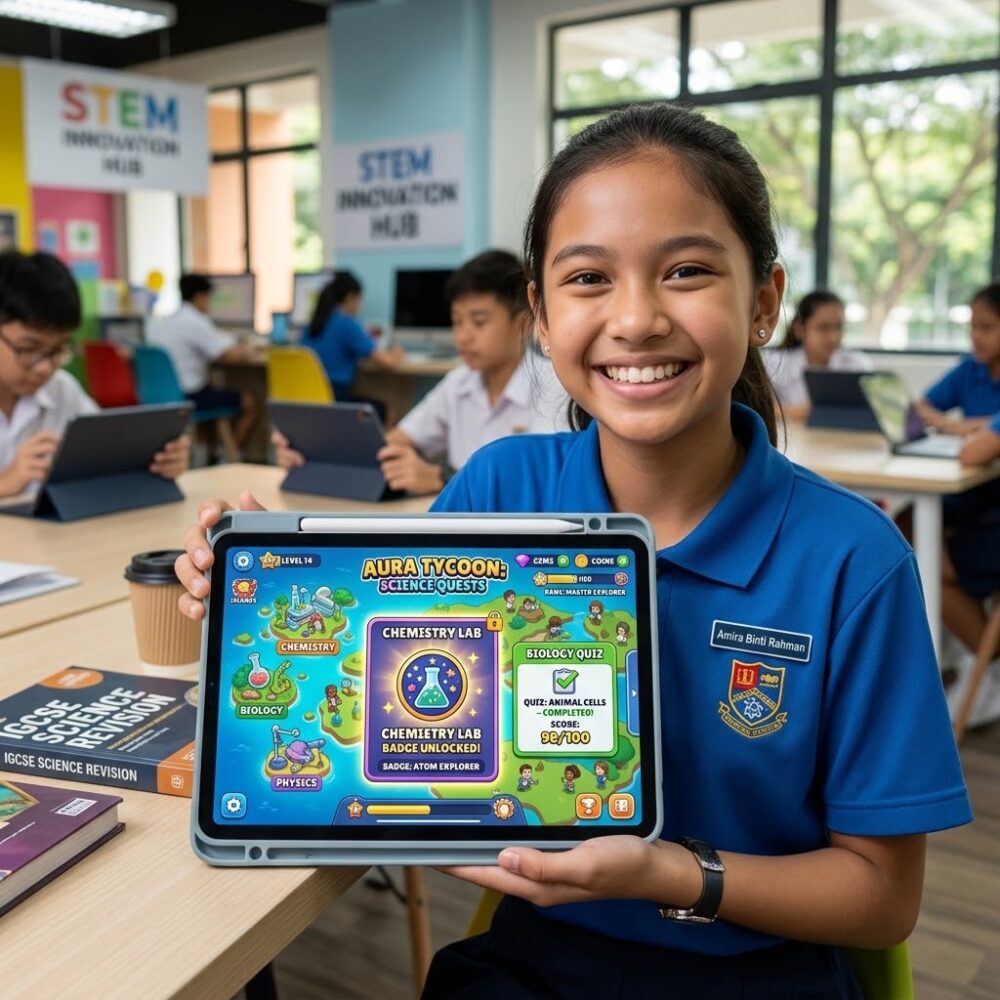
AI literacy and coding are integrated into the formal weekly timetable at Axcel International School Puchong through the Next Futurist module of The Axcel Programme. Students learn computational thinking, AI prompt engineering, and structured problem-solving logic as a compulsory subject alongside Cambridge IGCSE academics.
The emergence of large language models and autonomous AI tools has transformed the global job landscape. For decades, STEM education focused on syntax memorization in Python or C++. Today, technological fluency requires higher-level cognitive skills: prompt engineering, algorithmic problem decomposition, logic verification, and understanding how to orchestrate AI tools to multiply human productivity. For authoritative benchmarks, consult the official UNESCO Guidelines on AI Competencies for School Curricula.
2. From Visual Block Coding to Computational Architecture
At Axcel International School Puchong, computer science begins in primary years with visual block coding (Scratch, Blockly) to master fundamental programming structures: loops, conditional logic, variables, and event listeners. Secondary students transition into Python syntax, web technologies, and database querying, understanding the underlying mechanics of modern software.
3. Mastering Prompt Engineering: The New Universal Literacy
Prompt engineering is the art of formulating precise, structured inputs to extract accurate, high-value outputs from AI models. Axcel students learn context framing, few-shot prompting, role-based prompting, and iterative refinement, treating AI as a powerful creative co-pilot rather than a cheating shortcut.
4. Digital Ethics, Algorithmic Bias & Deepfake Awareness
Technological power demands moral responsibility. Axcel’s AI curriculum places heavy emphasis on digital ethics: identifying algorithmic bias, understanding copyright in generative media, verifying synthetic data against empirical sources, and developing critical immunity against deepfakes and misinformation.
5. Real-World Student AI Projects: Solving Community Problems
Rather than building throwaway classroom toy programs, Axcel students apply AI and coding to real community challenges: developing automated chatbot tutors, building sensor-driven environmental monitors for Puchong parks, and designing smart revision dashboards.
6. How The Axcel Programme Integrates Tech with Leadership
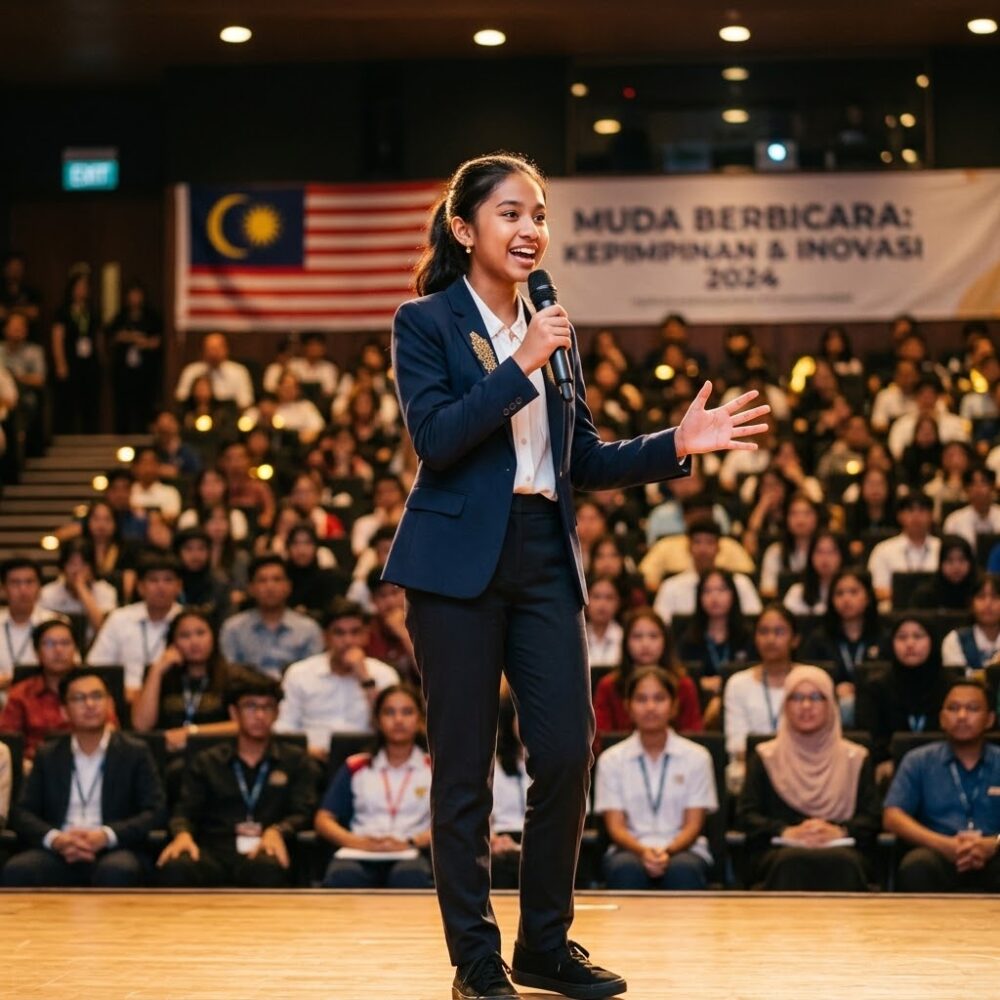
AI Literacy is a core pillar of The Axcel Programme. When combined with Public Pitching and TRIZ Innovation, students learn not only how to build software solutions, but how to present their value propositions persuasively to investors and corporate mentors.
7. Nurturing Future Tech Leaders at Home: Practical Guidance for Parents
Parents can encourage productive technology habits by: (1) Shifting screen time from passive entertainment to active creation (coding games, digital art, 3D modelling); (2) Exploring AI tools collaboratively to research family projects; (3) Fostering curiosity about how algorithms power everyday digital platforms.
Frequently Asked Questions
Clear answers to common questions asked by Malaysian parents.
Children can begin visual logic and algorithmic games as early as Primary Year 2 (age 7), progressing to formal prompt engineering and Python from Year 7 onwards.
No. While AI generates code snippets, humans must understand algorithmic logic, system architecture, and debugging to architect and verify solutions.
We teach AI as a collaborative brainstorming and research tool while assessing students through live in-class presentations, hands-on lab experiments, and handwritten examinations.
Primary students master Scratch and block logic, while secondary students learn Python, HTML/CSS, and basic JavaScript alongside Cambridge Computer Science.
It is the systematic practice of structuring questions, context, and constraints to guide AI tools toward accurate, high-quality analytical and creative outputs.
Students use AI tools to generate tailored quiz questions, summarize complex research papers, and deconstruct difficult math concepts through personalized Socratic tutoring.
Yes. Students develop functional web applications, automated revision trackers, and robotics programs exhibited during school innovation showcases.
Tuition starts from ~RM900/month for Primary and RM1,500 to RM1,700/month for Secondary, with early Jan-2027 application fee waivers.
Related Education & Curriculum Guides
Explore more research articles to help you make informed schooling decisions.

Looking for Educational Excellence in Puchong?
Explore Axcel International School‘s accredited Cambridge curriculum, featuring Singapore Math heuristics, life-skills leadership, and starting tuition of ~RM900/month.
© 2026 Service Pro Education Insights Malaysia.
Disclaimer: Fees and curriculum details reflect 2026/2027 school schedules and may change. Images are representational; actual facilities may differ and no identifiable students are shown. Contact Axcel International School Puchong to verify current details.