
How Telemedicine is Changing Elderly Healthcare for Outstation Families
Bridging the distance gap: How smart digital monitoring, tele-dentistry, and remote doctor consultations keep families connected to their parents’ care in Perak.
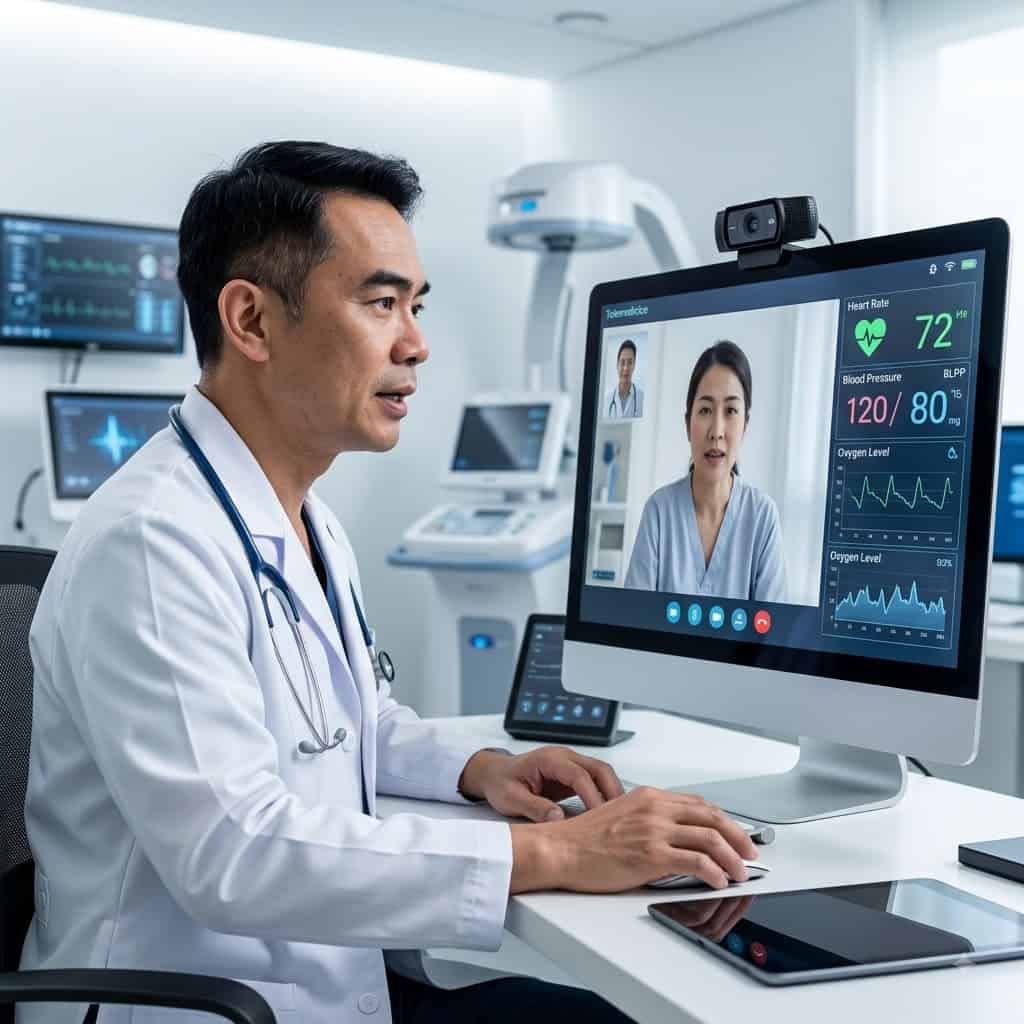
Healthcare for aging seniors in Malaysia has traditionally required stressful hospital trips, long waiting room queues, and physical accompaniment by busy working children. For outstation children working in Singapore or KL, attending routine medical appointments with elderly parents in Taiping was a logistical challenge.
The introduction of telemedicine and digital health monitoring at The Healer has fundamentally reshaped this dynamic.
Tele-Health Regulation: Telemedicine and remote consultations in Malaysia operate under strict Ministry of Health (MOH) guidelines to ensure data privacy, accurate clinical diagnosis, and patient safety.
Authority Reference: Verified against MOH Malaysia Telemedicine Act & e-Health Regulatory Standards
Key Innovations Transforming Senior Care
1. Remote Vital Sign Tracking
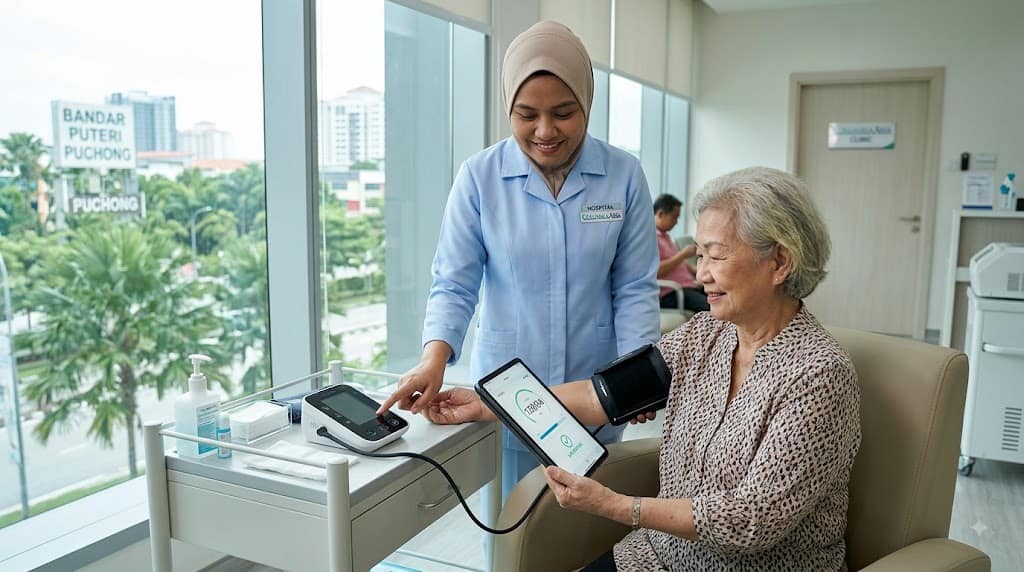
Daily measurements of blood pressure, blood glucose, oxygen saturation, and heart rate are recorded digitally into patient records. Any abnormal reading automatically alerts the attending physician, Dr. Tan.
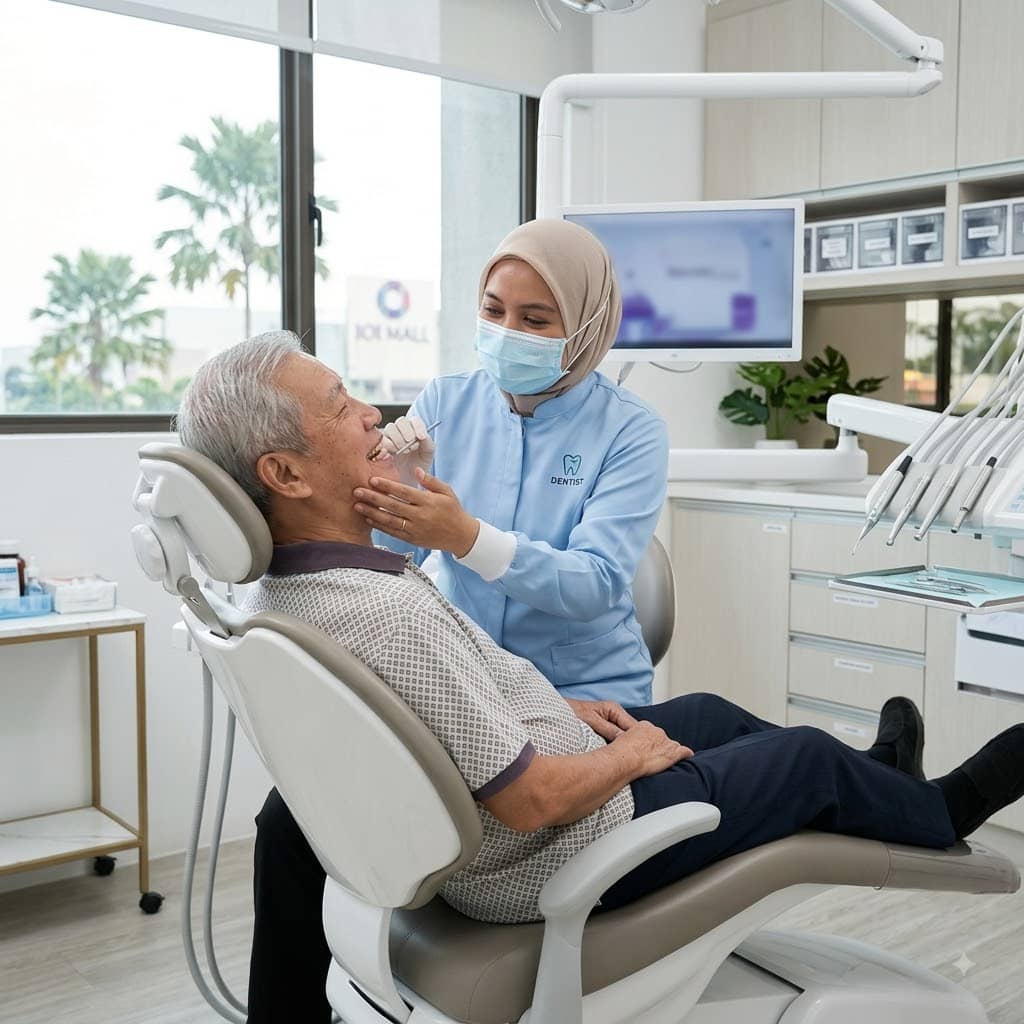
2. Tele-Dentistry & Specialist Consultations
Transporting a frail senior to a dental clinic can be physically taxing. Tele-dentistry enables initial oral health evaluations and screening via high-definition video consultations before scheduling targeted in-person interventions.
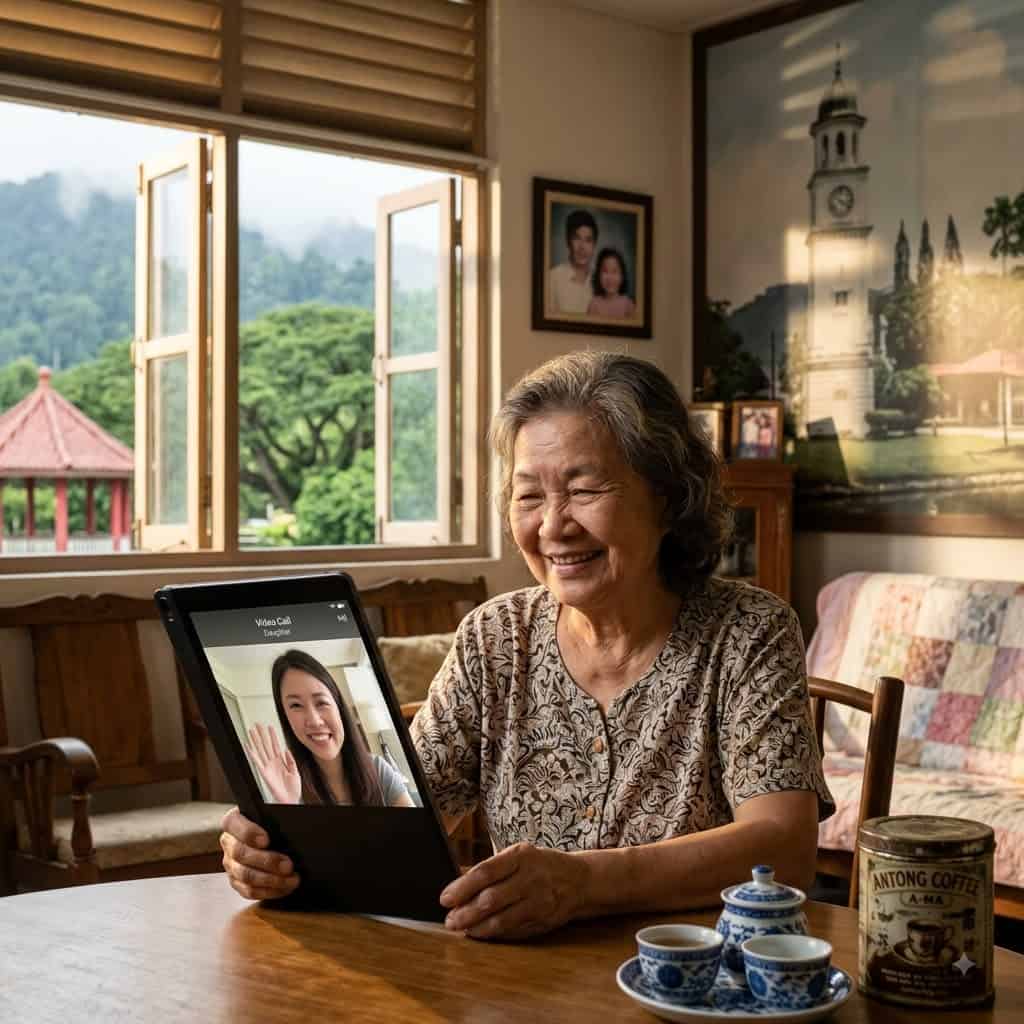
 Virtual doctor family conferences allow children in KL or Singapore to participate directly in care decisions.
3. Virtual Family Conferences
Doctor-family consultations no longer require taking leave. Family members can join a multi-party video call with the medical team to review progress reports and care plan adjustments.
Interested in Digital Health Monitoring?
Discover how our digital health tools keep you connected to your parent’s daily medical status.
Combining High-Tech with High-Touch Care
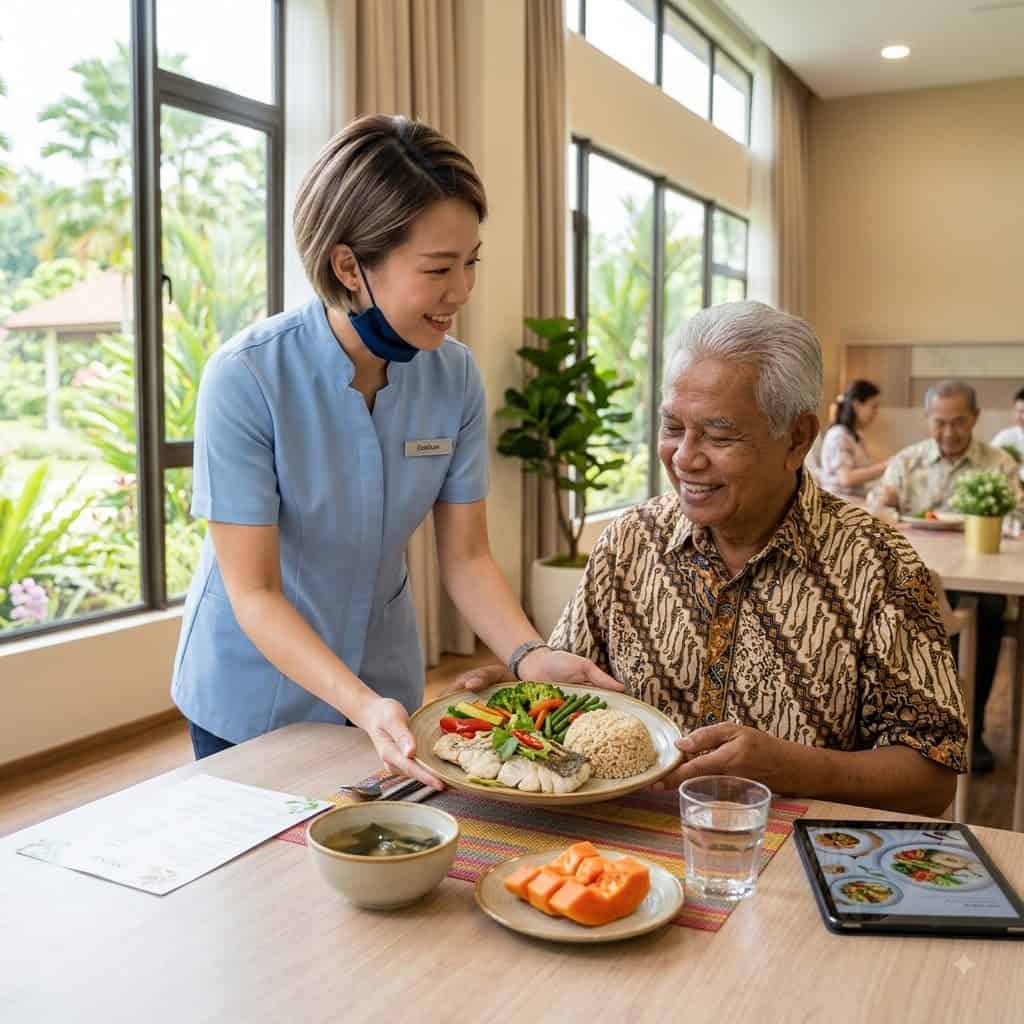
Telemedicine does not replace human touch; it enhances it. By automating routine administrative tracking, nurses and doctors spend more quality face-to-face time engaged in therapy, acupuncture, and companionship with residents.
What Telemedicine Cannot Do
Remote care is genuinely useful, and overselling it does families a disservice. There are categories of assessment a camera cannot perform:
- Physical examination — abdominal palpation, chest auscultation and neurological testing all require hands.
- Acute emergencies — chest pain, suspected stroke, breathing difficulty and falls with possible fracture need a physical response, not a consultation.
- Wound assessment beyond the surface — depth, odour and tissue quality do not transmit reliably through a screen.
- Cognitive decline in early stages — often visible in day-to-day behaviour long before it appears in a scheduled call.
Telemedicine works best as the connective layer over a physical care structure — excellent for medication review, chronic disease monitoring and family conferences, unreliable as a substitute for someone in the room. That is precisely why our remote monitoring service runs alongside on-site clinical staff rather than in place of them.
Frequently Asked Questions
Helpful answers to common questions about Telemedicine Elderly Healthcare.
Telemedicine connects seniors and their families directly with registered doctors via high-definition video calls on WhatsApp or Zoom for clinical consultations, vital reviews, and prescription refills without clinic travel.
Stable chronic illnesses such as hypertension, type-2 diabetes, hyperlipidemia, mild cognitive reviews, chronic wound monitoring, and dietary consultations can be managed remotely.
No. Caregivers or care centre staff set up the video link on a tablet or smartphone, allowing the senior to simply speak naturally with the doctor.
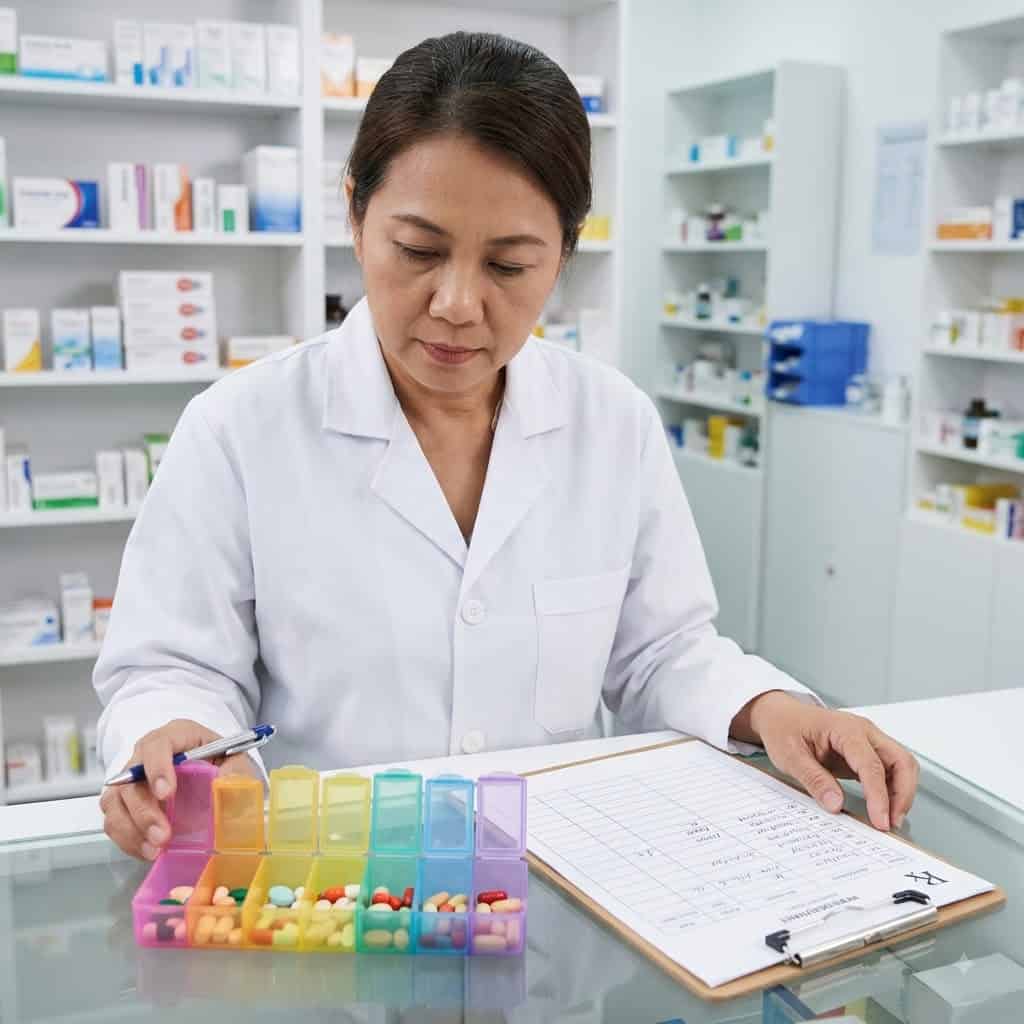
Yes. MMC-registered doctors can issue legally compliant digital prescriptions for chronic medications, with medicines dispensed and delivered directly to the doorstep.
It eliminates exhausting wheelchair transfers, long clinic waiting room queues, exposure to hospital-acquired infections, and transport logistics for outstation families.
Doctors review data synced from calibrated digital health monitors, including digital blood pressure cuffs, glucometers, and pulse oximeters logged by caregivers.
In-person evaluation or emergency hospital transfer is essential for acute chest pain, sudden stroke symptoms, severe shortness of breath, acute trauma, or deep wound debridement.
Yes. Digital clinical notes, prescription histories, and vital trends are securely stored and can be shared with family members and other consulting specialists.
Popular Related Insights
Explore key guides and healthcare insights for elderly care in Taiping.
Ready to Explore Elderly Care Options in Taiping?
Book a free virtual tour, schedule a doctor consultation, or speak directly to our medical team today.
💬 WhatsApp Us NowPart of the ServicePro.my Healthcare Hub Network. All rights reserved.
Common Questions About Telemedicine for Seniors
Helpful answers from our healthcare team on this subject.